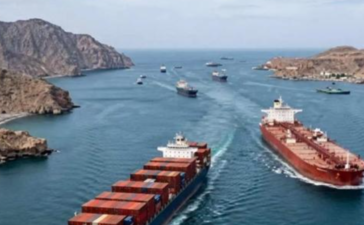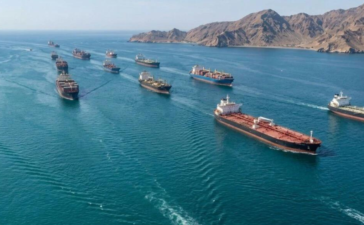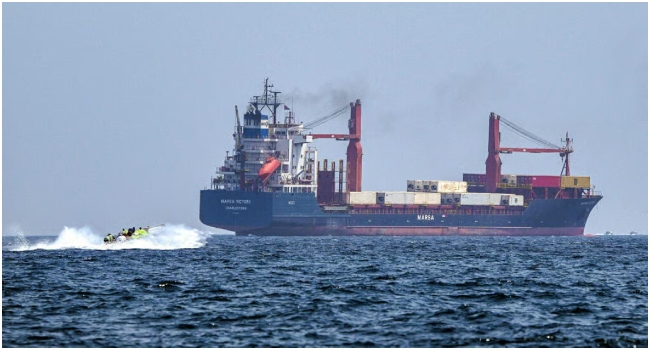
Shipping traffic through the Strait of Hormuz fell below its monthly average towards the end of the week as tensions between the United States and Iran intensified over competing claims of control of the strategic waterway.
Commodity vessel traffic through the strait picked up slightly on Thursday, but remained below August’s daily average of 12 vessels, according to Kpler data.
Nine commodity vessels transited the Strait of Hormuz on Thursday, up from five recorded the previous day.
The vessels included five entries heading into the Gulf and four exits into the Gulf of Oman, with most using the Iranian shipping route.
The decline in traffic comes as Washington and Tehran continue to make conflicting claims over control of the waterway, a critical route for global oil and gas shipments.
The recently appointed head of Iran’s Basij paramilitary unit, Hossein Taeb, said on Thursday that the Strait of Hormuz remained under Iran’s “control and management.”
The United States, meanwhile, said it could maintain a naval blockade of Iran indefinitely and planned to increase economic pressure on Tehran as ceasefire negotiations stalled.
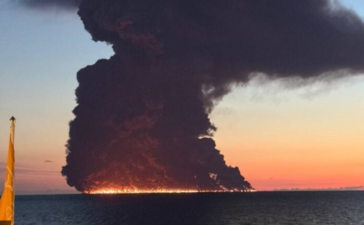
Shipping risks also remained elevated after the Abu Dhabi National Oil Company said two of its vessels were attacked while transiting the Strait of Hormuz on Thursday evening.
The United Arab Emirates accused Iran of carrying out the attack. No injuries were reported.
The latest incidents have added to concerns among ship operators over the security of one of the world’s most important maritime energy routes.
The Strait of Hormuz connects the Persian Gulf with the Gulf of Oman and is a major transit route for crude oil and other energy products.
Meanwhile, traffic through the Bab el-Mandeb Strait remained relatively stable.
Kpler data showed that 19 commodity vessels passed through the waterway on Thursday with their transponders switched on, compared with 20 vessels the previous day.
However, the available figures do not capture vessels sailing through the waterways with their transponders turned off.
The competing claims by Washington and Tehran, coupled with the reported attack on commercial vessels, have heightened uncertainty for shipping operators and commodity markets.
The persistence of lower-than-average traffic through Hormuz suggests that heightened security concerns are already influencing vessel movements through the strategic waterway.