Nigeria is working to complete its section of the West African Power Pool (WAPP) North Core 330kV Interconnection Project as the regional electricity initiative records more than 75 per cent overall completion.
The Transmission Company of Nigeria (TCN) said work was ongoing to complete the Nigerian section of the transmission line and prepare it for connection to the national grid.
The project is designed to strengthen electricity transmission links among Benin, Burkina Faso, Niger, Nigeria and Togo, creating a regional network that will support electricity exchange among participating countries.
The latest progress was highlighted during the opening of the 8th Joint Supervision Mission of the project’s financing partners in Abuja.
The meeting brought together representatives of participating countries and development partners to assess implementation progress, identify outstanding challenges and discuss measures to accelerate the completion of the remaining works.
The development marks an important stage in the regional electricity project, although further construction, technical preparations and coordination will be required before the infrastructure can become fully operational.
TCN Coordinates Work on Nigerian Transmission Line
In Nigeria, the Transmission Company of Nigeria is responsible for completing the country’s section of the 330kV transmission line and preparing the infrastructure for connection to the national grid.
The work requires coordination with relevant stakeholders to ensure that the Nigerian section is ready to operate as part of the wider regional transmission network.
The 330kV infrastructure is expected to provide an important transmission link for cross-border electricity exchange.
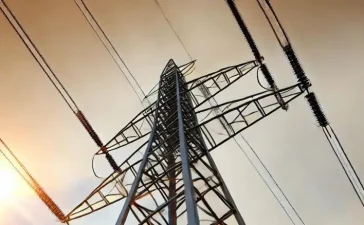
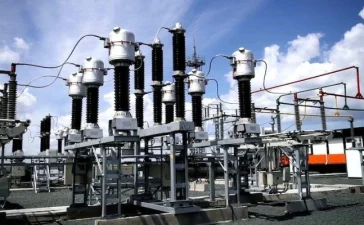
High-voltage transmission lines are essential to moving electricity over long distances between generating facilities, substations and distribution networks.
For a regional project involving several countries, the infrastructure must also be properly coordinated to ensure that the different national sections work together.
This makes technical planning, construction standards, system integration and timely completion important to the success of the initiative.
The Nigerian government’s efforts to complete its section are therefore central to ensuring that the country can participate effectively in the regional electricity network.
WAPP Project Connects Five West African Countries
The WAPP North Core 330kV Interconnection Project links Benin, Burkina Faso, Niger, Nigeria and Togo.
The initiative forms part of broader regional efforts to improve electricity transmission infrastructure and strengthen cooperation among West African countries.
Through interconnected power networks, participating countries can potentially exchange electricity depending on available generation, transmission capacity and agreed commercial arrangements.
Regional electricity trade can help countries manage differences in electricity demand and supply. Where one country has available electricity and the necessary transmission capacity, interconnected infrastructure can make it possible to supply another participating country.
This arrangement could also support more efficient use of available generating resources across the region.
However, the benefits will depend on the completion of the infrastructure, reliable electricity generation, effective grid management and agreements governing cross-border power transactions.
The project is therefore not simply a construction exercise. It is also an investment in regional energy cooperation and the development of a more connected West African electricity market.
Financing Partners Review Outstanding Work
The 8th Joint Supervision Mission provided an opportunity for participating countries and the project’s financing partners to examine the progress recorded so far.
The discussions focused on implementation challenges, outstanding construction activities and measures required to speed up the remaining work.
Supervision missions are important for large infrastructure projects because they allow stakeholders to assess whether implementation is progressing as expected and identify issues that could delay completion.
For a project involving several countries, regular coordination is particularly important. Delays in one section can affect the overall readiness and operation of the interconnected transmission system.
The Abuja meeting therefore provided an opportunity for the countries and development partners to reinforce their commitment to completing the project.
The fact that the project has passed 75 per cent completion indicates significant progress, but the remaining work will still require sustained attention, funding coordination and effective project management.
TCN Chief Calls for Continued Cooperation
The chairman of the WAPP Executive Board and Managing Director/Chief Executive Officer of TCN, Engr. Sule Ahmed Abdulaziz, stressed the importance of sustained cooperation among stakeholders as the project approaches its final implementation phase.
He said timely decision-making and continued commitment from all parties would be necessary to ensure that the remaining activities were completed successfully.
His comments highlight the importance of cooperation between national electricity authorities, project contractors, financing partners and other institutions involved in the regional initiative.
The successful delivery of the project will depend not only on construction progress but also on the ability of participating countries to coordinate their technical and operational responsibilities.
For Nigeria, completing the transmission line and preparing its connection to the national grid will be essential steps towards participating fully in the regional network.
Potential Benefits for Nigeria and West Africa
The completion of the WAPP North Core project could strengthen electricity cooperation and create additional opportunities for power exchange across West Africa.
For Nigeria, the regional interconnection could provide another channel for participating in cross-border electricity trade, subject to available generation, transmission capacity and applicable agreements.
It could also strengthen the country’s position within the regional electricity market.
For other participating countries, improved transmission links could support access to electricity from neighbouring markets and provide additional options for managing supply challenges.
However, regional interconnection infrastructure does not automatically guarantee improved electricity supply to households and businesses. Domestic generation, transmission networks, distribution infrastructure and electricity market arrangements must also function effectively.
Nigeria continues to face challenges involving electricity generation, gas supply and the reliability of its national grid. The regional project should therefore be viewed as part of wider efforts to strengthen the country’s electricity infrastructure rather than a complete solution to its domestic power challenges.
With overall completion now above 75 per cent, attention is turning towards the remaining construction activities and the preparation of Nigeria’s section for grid connection.
The coming implementation period will be important in determining how quickly the participating countries can complete the project and move towards operational regional electricity exchange.