Severe drought conditions are creating fresh challenges for global shipping, with critically low water levels affecting some of the world’s important maritime and inland trade routes.
The latest disruption is adding pressure to energy markets that are already facing significant challenges from geopolitical tensions and restrictions affecting major shipping corridors. According to analysis from Wood Mackenzie’s VesselTracker, drought-related restrictions on the Panama Canal and Germany’s Rhine River are affecting the movement of energy commodities and other cargoes.
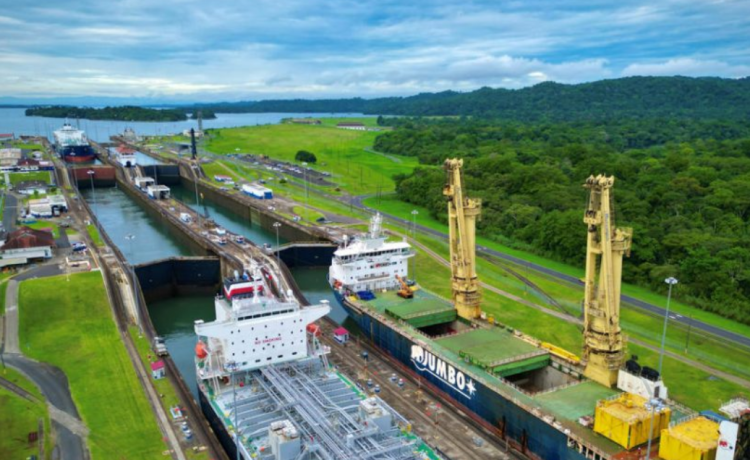
The Panama Canal is particularly important for global trade because it provides a shortcut between the Atlantic and Pacific oceans. When water levels fall, authorities can impose restrictions on the size, draft or cargo load of vessels using the canal.
This means some ships may be unable to carry their normal amount of cargo. Others may have to wait for available transit slots or choose longer alternative routes.
Data cited by Wood Mackenzie showed that daily Panama Canal transits fell from approximately 325 in early May to about 271 by late May before recovering to around 308 during June. Although traffic subsequently improved, continuing drought conditions remain a concern for shipping operators.
Energy shipments are particularly vulnerable to these restrictions. Liquefied natural gas (LNG), liquefied petroleum gas (LPG) and refined petroleum products can be affected when vessels cannot transit at their preferred loading levels.
For LNG traders, the situation can be especially difficult because the economics of long-distance shipments can be sensitive to even relatively small increases in transportation costs.
When ships are forced to take longer routes, voyage times increase and fuel consumption rises. A longer journey can also reduce the availability of vessels for other cargoes, potentially pushing freight rates higher.
The Rhine River in Europe is experiencing similar problems. The river is one of Europe’s most important inland transportation routes, connecting major industrial and commercial centres with North Sea ports.
Low water levels can make it difficult for barges to navigate while carrying normal loads. Operators may therefore have to reduce the amount of cargo loaded onto each vessel.
Wood Mackenzie data indicated that water levels at Kaub, an important point on the Rhine in Germany, fell to extremely low levels in August. At the time, many barges were reportedly operating at only about a quarter of their normal cargo capacity.
The reduction in cargo capacity has also contributed to higher transportation costs. Freight rates from Rotterdam to Cologne reportedly increased substantially compared with levels recorded earlier in the year.
The problem is particularly significant because the Rhine supports the movement of fuel, chemicals, agricultural products and industrial goods across Europe.
The latest drought-related disruptions come at a time when global energy markets are already under pressure from disruptions elsewhere.
The combination of reduced shipping capacity, longer voyages and higher freight costs could therefore create additional challenges for companies involved in international commodity trading.
Analysts are warning that shipping operators and energy traders will need to closely monitor weather and water-level conditions during the coming months.
The situation also highlights the vulnerability of global supply chains to climate-related disruptions. Shipping infrastructure can remain operational during droughts, but reduced water levels can significantly limit how much cargo vessels are able to carry.
As climate patterns become more unpredictable, ports, canal authorities, shipping companies and cargo owners may increasingly need contingency plans for periods of extreme weather.
For the maritime industry, the immediate challenge is finding ways to maintain the movement of essential cargo while dealing with reduced capacity.
If drought conditions persist, shipping companies could face higher operating costs, longer voyages and increased competition for available vessel capacity.
The developments demonstrate that global shipping disruptions do not always come from conflict, port congestion or mechanical problems. Environmental conditions can also have a major impact on the movement and cost of goods around the world.
With the Panama Canal and Rhine River both facing water-related challenges, the maritime sector is being reminded once again of the importance of resilient and adaptable transportation networks.