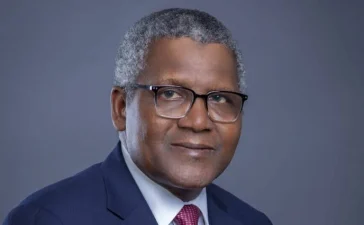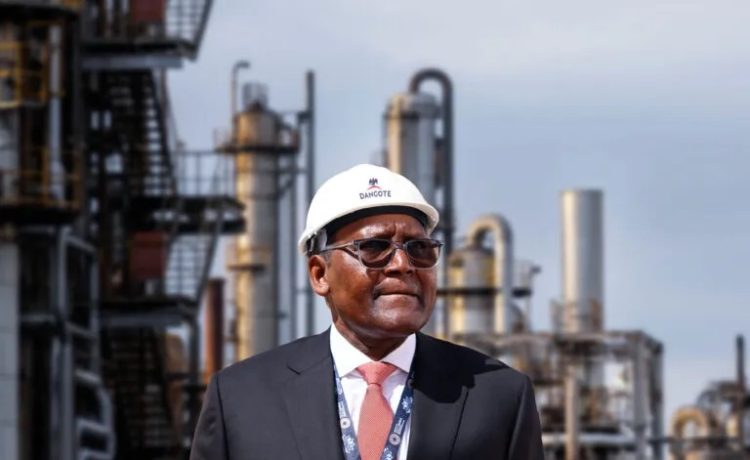
Africa needs to retain more of its capital and invest in local industries if the continent is to achieve stronger industrial growth, President and Chief Executive Officer of Dangote Group, Aliko Dangote, has said.
Dangote made the call at the Unstoppable Africa 2026 forum in New York, where African and global business leaders discussed investment, industrialisation and the continent’s economic development. More than 3,000 business leaders and heads of state attended the two-day event.
According to Dangote, African countries have significant natural resources and a large consumer market, but more of the continent’s savings and investment capital needs to be directed toward businesses and industries within Africa.
He argued that Africa would struggle to develop strong industrial capacity if its capital continued to flow into foreign banks and financial markets.
Dangote pointed to the economic transformation of Asian countries as an example of what could happen when investors support businesses and industries within their own economies.
“We must believe in our continent,” Dangote said, stressing the importance of investing despite the difficulties involved in building large businesses in Africa.
The businessman also highlighted the importance of the African Continental Free Trade Area (AfCFTA) in creating a larger market for African manufacturers and industrial companies. A more integrated African market, he said, could provide businesses with the scale required to undertake major investments.
Dangote’s comments come at a time when his own group is expanding its industrial investments across Africa.
The Dangote Petroleum Refinery and Petrochemicals is currently operating at a capacity of about 700,000 barrels per day, with plans to expand the facility to 1.4 million barrels per day. The company has also outlined a wider Vision 2030 investment programme covering several industrial projects.
Another major project is the proposed refinery and petrochemical complex in Lamu, Kenya. Dangote Group has awarded a $450 million contract to Engineers India Limited for project management and engineering consultancy services for the project. The proposed facility is designed to process 700,000 barrels of crude oil per day, while the wider project is expected to cost about $16 billion.
Dangote has also connected his call for greater local investment to the ongoing initial public offering of the Dangote Refinery. The IPO involves 4.1 billion ordinary shares priced at ₦525 per share, with the offer scheduled to close on October 13, 2026. The transaction is intended to broaden ownership of the refinery among Nigerian and other eligible African investors.
The wider discussion at Unstoppable Africa also focused on the need for stronger domestic financial markets, infrastructure and structural reforms to attract private investment.
Zeine Zeidane, Director of the African Department at the International Monetary Fund, highlighted stronger domestic financial markets and wider African markets through AfCFTA as important factors in attracting investment.
For African businesses, greater access to domestic capital could provide additional funding for manufacturing, energy, infrastructure and technology projects. It could also help increase local processing of raw materials and reduce dependence on imported finished products.
Dangote’s position also comes as African economies continue to face challenges including inadequate infrastructure, high financing costs, energy shortages and limited access to long-term capital.
The discussion therefore goes beyond individual companies. It reflects a broader debate over how African countries can use their domestic savings, natural resources and consumer markets to build industries capable of competing internationally.
As African governments and businesses continue to pursue industrialisation, the availability of reliable infrastructure, affordable financing and regional markets will remain important factors in determining how much investment can be successfully retained and deployed within the continent.