A new museum dedicated to Moroccan Jewish heritage has opened in Fez’s historic Jewish quarter, providing a permanent space for preserving the community’s cultural history and documenting its contributions to the North African country’s social and religious identity.
The museum is designed to highlight the historical relationship between Jewish and Muslim communities in Morocco, while showcasing the cultural influences that have shaped Fez over several centuries.
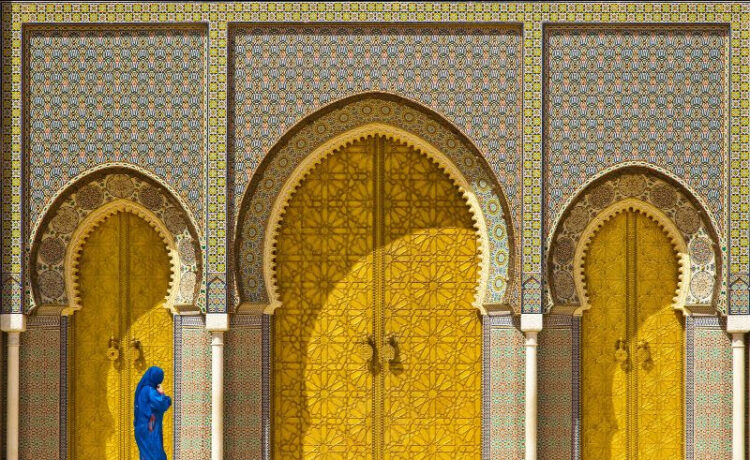
Fez, established in the ninth century, is widely recognised as one of Morocco’s historic centres of learning, religion and craftsmanship. Its development has been influenced by Jewish, Arab, Amazigh, Spanish and French communities, creating a diverse cultural heritage that continues to define the city.
Organisers say the new institution seeks to preserve this shared history and promote greater understanding of the different communities that contributed to Morocco’s development.
A rabbi associated with the initiative said the exhibitions demonstrate that Jewish communities had lived in Morocco for generations while maintaining relationships with their Muslim neighbours.
The permanent exhibition is spread across two floors, with the first dedicated to tracing more than 2,500 years of Jewish presence in Morocco.
The second floor explores the institutions and community structures that supported Jewish life, including synagogues, Hebrew schools and rabbinical courts.
The displays feature a range of historical objects, including traditional clothing, jewellery, musical instruments, artworks, manuscripts and archival materials.
Together, the collections provide visitors with an opportunity to understand the religious practices, social structures, artistic traditions and everyday experiences of Morocco’s Jewish communities.
The museum’s opening also comes against the backdrop of a significant decline in the country’s Jewish population.
Morocco once had one of the largest Jewish communities in the Arab world, but major waves of emigration during the 20th century reduced its population considerably.
The country’s Jewish population is now estimated at approximately 2,500, compared with the much larger community that existed before the major migration movements.
The establishment of the museum therefore represents an important effort to preserve a cultural legacy that has become increasingly difficult to sustain through living community institutions alone.
Morocco has continued to promote its multicultural history as part of its cultural diplomacy and tourism strategy, with historic Jewish neighbourhoods, synagogues and cemeteries forming part of the country’s broader heritage attractions.
The museum is expected to contribute to cultural tourism in Fez while providing researchers, students and international visitors with access to historical materials documenting Jewish life in Morocco.
Beyond its tourism value, the institution highlights the importance of protecting minority heritage and recognising the contributions of different religious and cultural communities to national identity.