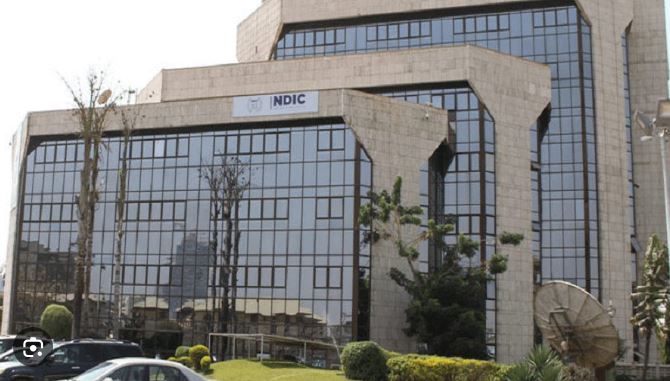
The protection of bank depositors remains an important issue for Nigeria’s financial system as regulators continue efforts to maintain confidence, strengthen institutions and improve the resilience of the banking sector.
The Nigeria Deposit Insurance Corporation (NDIC) plays a central role in this framework by providing deposit insurance for eligible deposits held with insured institutions, subject to the applicable rules and coverage limits.
Deposit insurance is designed to help protect depositors when an insured financial institution fails. It can also support public confidence by establishing a framework for addressing eligible claims rather than leaving customers entirely exposed to the consequences of a bank’s failure.
The subject remains relevant as Nigeria’s banking industry responds to regulatory reforms, changing economic conditions and growing demand for reliable financial services.
This article explains the role of deposit insurance and the issues customers should understand. It does not claim that the NDIC announced a new policy or changed coverage limits on October 26, 2026.
How deposit insurance supports confidence
Banks play an important role in the economy by accepting deposits, processing payments and providing credit to individuals and businesses.
Customers need confidence that their deposits will be handled according to the terms of their accounts and the applicable laws. If concerns about a bank’s financial condition spread, depositors may become anxious and seek to withdraw funds, potentially increasing pressure on the institution.
Deposit insurance helps reduce some of this uncertainty by providing protection for eligible deposits under the established framework.
However, insurance is not unlimited protection for every financial product. Coverage depends on the type of institution, the nature of the deposit, the applicable limits and the conditions governing eligibility.
Customers should therefore distinguish ordinary insured deposits from investments or other products that may carry different risks and legal protections.
The NDIC’s role in a failed-bank situation
When an insured bank fails, the NDIC has responsibilities under Nigeria’s deposit insurance and bank resolution framework. These responsibilities may include handling eligible insured deposit claims and participating in processes aimed at resolving or liquidating failed institutions.
The precise procedure depends on the circumstances of the failure and the applicable legal framework.
Customers should rely on official NDIC notices for instructions concerning verification, claims submission, documentation and payment arrangements.
They should also be careful about unofficial messages promising faster compensation in exchange for fees, passwords or account details. Requests for sensitive banking credentials should be treated with caution, and any doubtful communication should be checked directly with the relevant institution.
Why the issue matters during banking reforms
Nigeria has been pursuing changes intended to strengthen banks and improve the financial system’s capacity to support economic activity.
Stronger capital positions can help banks absorb losses and provide financing, although capital alone cannot eliminate every risk. Banks must also manage their loan portfolios, liquidity, governance and exposure to economic shocks.
The NDIC’s depositor protection role complements broader supervision by helping address the consequences of bank failure. The CBN’s supervisory responsibilities and the NDIC’s functions operate within a wider regulatory structure intended to promote stability and protect customers.
Public communication is important because banking reforms can generate questions about the safety of deposits, the condition of individual institutions and the effect of regulatory changes on customers.
Accurate information helps reduce confusion and prevents rumours from being mistaken for official decisions.
What customers should do
Customers should confirm that their financial institution is appropriately licensed and insured, understand the terms of their accounts and retain records of deposits and transactions.
They should also use official channels to verify any announcement concerning deposit insurance limits or compensation procedures.
Where a bank has been placed under regulatory action, customers should follow the instructions issued by the responsible authorities rather than relying on social media speculation.
Outlook
Depositor protection remains a key component of a trustworthy financial system. Its effectiveness depends on a clear legal framework, sound administration, reliable information and public understanding of what is covered.
As Nigeria’s banking industry evolves, the NDIC’s role will continue to be important in the management of failed-bank situations and the protection of eligible depositors.
The most useful development to watch is any formal NDIC announcement concerning insurance coverage, claims procedures or resolution measures. Until such an announcement is confirmed, customers should not assume that coverage limits or other rules have changed.