Mauritius has faced an unusual period of public unrest after a police officer shot and wounded a woman, intensifying demonstrations that had already begun over water shortages and the rising cost of living.
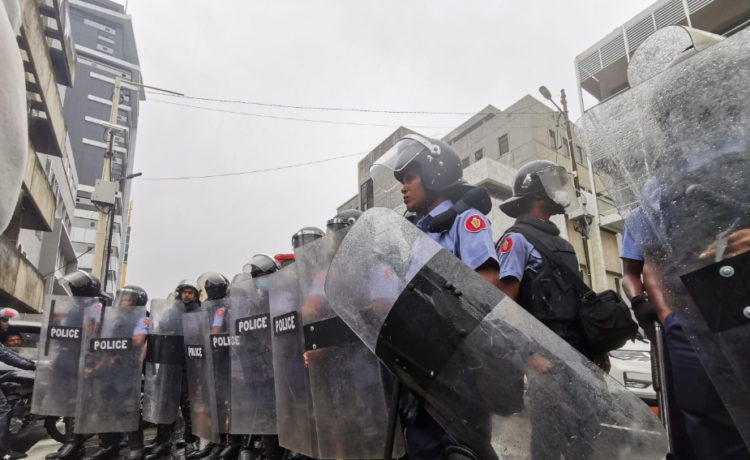
The incident triggered anger among demonstrators, with protests escalating into clashes with police, road blockages and damage to public property. Authorities deployed security personnel to restore order and introduced temporary overnight curfews in affected areas.
The developments have attracted attention because Mauritius is widely regarded as one of the more stable countries in the region. The unrest illustrates how economic difficulties and concerns about policing can combine to create pressure on public institutions.
Cost of living and access to water
The protests did not begin with the shooting alone. Public frustration had already been building over water shortages and the cost of essential goods.
Access to reliable water is important for households, schools, hospitals, hotels and other businesses. Interruptions can make everyday activities difficult and increase expenses for families who must find alternative supplies.
Rising living costs also affect household budgets. When food, transport and other essential expenses become more expensive, people on lower incomes have less money available for education, healthcare and savings.
These concerns can become particularly serious when residents believe their complaints are not receiving sufficient attention.
Investigation into the police shooting
Authorities have said the officer involved in the shooting was arrested. Three other officers were reportedly suspended over their failure to assist the wounded woman.
An investigation is underway into the incident and the conduct of personnel present at the scene.
A credible investigation is important for establishing what happened, whether police procedures were followed and whether disciplinary or legal action is necessary.
Police agencies have a responsibility to maintain public order, but their actions must also comply with the law. Transparent investigations can help reassure citizens that allegations of misconduct will be examined fairly.
Curfews and public services
Authorities have used temporary curfews to limit nighttime gatherings and reduce the risk of further violence. Schools and public transport services have also experienced interruptions during the unrest.
However, the curfew situation is developing. While an earlier restriction was lifted after a period of protests, UK travel advice issued on October 14 indicated that further temporary curfews were scheduled for the evening of October 14 into October 15.
Residents and visitors should therefore follow the latest instructions from local authorities rather than assume all restrictions have ended.
Curfews can give security agencies time to restore order, but they can also affect workers, traders and families who need to travel. Authorities must balance public safety with the need to maintain essential services.
Economic implications
Mauritius depends significantly on tourism, financial services and other commercial activities. Prolonged unrest can affect business confidence if hotels, transport operators and retailers face disruptions.
Tourists may also reconsider travel plans when demonstrations and curfews affect popular destinations or transport routes.
For local businesses, the consequences can include reduced customer traffic, lost sales and additional security costs. Workers who depend on daily earnings may be particularly affected.
The path towards restoring confidence
Restoring calm will require more than police deployments. Authorities will need to investigate the shooting, communicate clearly with the public and address the underlying concerns about living costs and access to essential services.
Dialogue between government representatives, community groups and residents could help identify practical measures to reduce tensions.
Conclusion
The unrest in Mauritius demonstrates the importance of public accountability and reliable basic services. A transparent investigation, effective communication and credible action on economic concerns will be important in rebuilding trust and preventing further escalation.