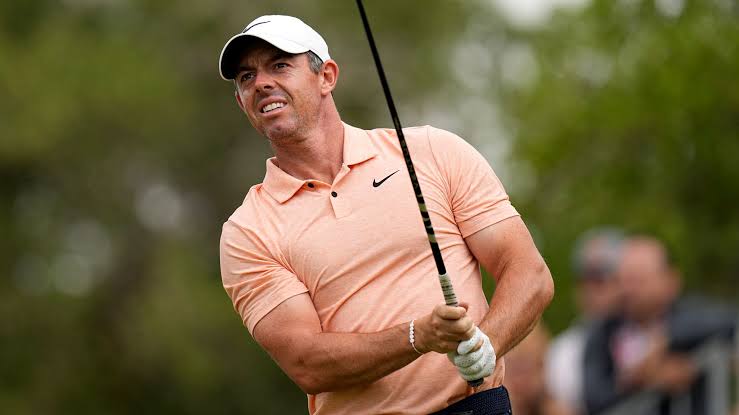
Northern Irish golf star Rory McIlroy has said he would support welcoming players who left traditional golf tours for LIV Golf back to the PGA Tour and DP World Tour.
The comments mark a change in tone from one of professional golf’s most outspoken critics of the Saudi-backed league. Speaking at the Bloomberg New Economy Forum in New Delhi on Tuesday, October 13, McIlroy said the return of some LIV players could help increase revenue and strengthen the business of the established tours.
McIlroy is in India for this week’s DP World India Championship, where several players associated with LIV Golf are also competing. His comments come at a time of uncertainty for the breakaway league following the withdrawal of financial support from Saudi Arabia’s Public Investment Fund after the 2026 season and LIV’s Chapter 11 bankruptcy proceedings.
McIlroy said he believed the league had some good ideas but had not used its financial resources effectively. In his view, LIV could have invested more strategically and worked with golf’s governing bodies rather than concentrating so heavily on paying large sums to already wealthy professional players.
A Debate About Golf’s Future
LIV Golf launched in 2021 and changed the professional game by offering large financial contracts, team competitions and a different tournament format. Its arrival attracted several established players away from the PGA Tour and DP World Tour.
The move created a major division in professional golf. Some players supported LIV’s format and financial opportunities, while others argued that the league threatened the structure of established tournaments and the traditions of the sport.
McIlroy and Tiger Woods were among the prominent figures who strongly opposed LIV when the dispute began. McIlroy has explained that he believed the split would damage the sport and divide players who had previously competed together.
However, the current financial difficulties facing LIV have changed the discussion. With the league’s future uncertain, questions are being raised about where its players will compete and whether the traditional tours should make it easier for them to return.
McIlroy now believes the presence of leading players could be good for the PGA Tour and DP World Tour because bigger fields and stronger competition may attract more viewers, sponsors and commercial interest.
Not Every Player May Agree
Despite his more welcoming position, McIlroy acknowledged that other members of the traditional tours may not share his opinion.
Players who remained loyal to the PGA Tour and DP World Tour during the dispute could feel disadvantaged if those who left were allowed to return without meaningful conditions. Some players continued competing on the established circuits while LIV offered lucrative contracts to attract major names.
McIlroy said the leadership of both tours should consult their members before making decisions about returning players. He believes the tours must balance fairness to existing members with the commercial benefits of bringing more star golfers back.
That balance could prove difficult. If returning players receive immediate access to tournaments and membership, others may argue that the rules have not been applied equally. On the other hand, refusing to readmit popular and talented golfers could reduce the quality of competition and limit commercial opportunities.
The decision is therefore likely to involve more than individual rivalries. It could influence tournament participation, sponsorship, television audiences and the long-term relationship between players and tour management.
What Happens Next?
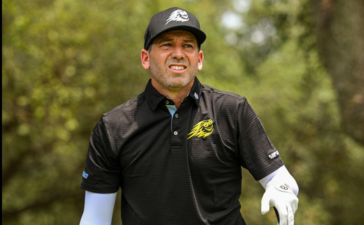
Several high-profile golfers have already left LIV or chosen not to continue with the league. Patrick Reed did not renew his contract for 2026, while Brooks Koepka returned to the PGA Tour through its Returning Player Program. Jon Rahm, Sergio Garcia and David Puig have also exited LIV, according to Reuters.
Other major names, including Bryson DeChambeau and Cameron Smith, are still considering their future plans.
McIlroy has made clear that he is open to a reconciliation, but he has not suggested that every returning player should automatically be given unrestricted access. The final decisions will depend on tour regulations, membership discussions and the circumstances of individual players.
His comments could nevertheless help create a more constructive discussion about golf’s future. After years of conflict, the possibility of bringing more leading players together may appeal to fans who want to see the strongest competitors playing against one another more often.
For now, McIlroy’s message is that the sport should consider the benefits of cooperation while protecting the interests of players who remained on the traditional tours.