Health authorities in Central and East Africa are facing growing concerns following the spread of Ebola to another health zone in the Democratic Republic of Congo (DR Congo) and the confirmation of a fatal imported case in Kenya.
The World Health Organization (WHO) reported that Alimbongo health zone in North Kivu province recorded cases of the Bundibugyo virus for the first time during the current outbreak.
As of October 6, the area had recorded four confirmed cases, including two deaths. The development highlights the difficulty of containing the outbreak in regions affected by insecurity and limited access to healthcare.
Kenya also confirmed its first imported case of Bundibugyo virus disease on October 6, according to the WHO. The patient, a Kenyan citizen who had been living in DR Congo, travelled through Uganda before arriving in Nairobi. The patient later died on October 5.
Health authorities strengthen surveillance
The imported case has prompted public health authorities to trace people who may have been exposed to the virus.
Kenyan authorities identified 28 contacts, including family members and healthcare workers. Officials have also worked to identify passengers and crew members who may have encountered the infected traveller.
Contact tracing is an important part of controlling Ebola because it allows health workers to monitor exposed individuals, identify symptoms early and prevent further transmission.
Authorities in Kenya and Uganda have strengthened surveillance measures and coordination with neighbouring countries.
The WHO has also emphasised the importance of identifying cases quickly and ensuring that suspected patients receive appropriate care.
Outbreak places pressure on DR Congo
The outbreak in DR Congo presents a substantial challenge for health workers.
According to the WHO figures reported by Al Jazeera, the country had recorded 8,728 confirmed cases and 4,205 confirmed deaths as of October 6. These figures reflect the scale of the outbreak at that reporting date and may change as additional information becomes available.
The situation has been complicated by insecurity, misinformation and shortages of specialised treatment capacity.
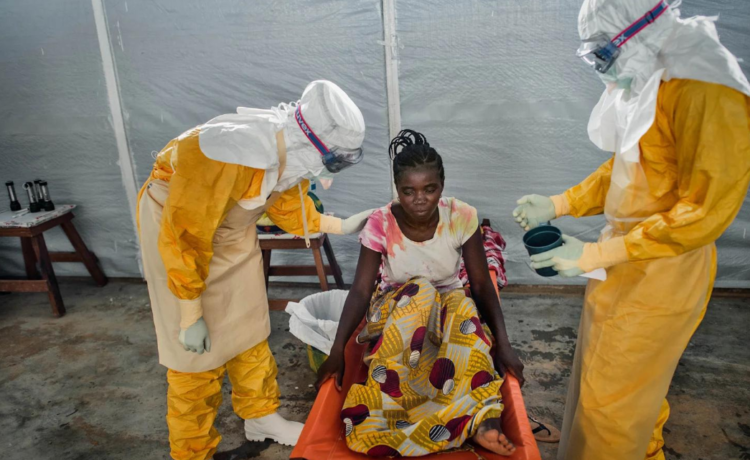
Some patients have received treatment in ordinary healthcare facilities because dedicated Ebola treatment centres do not have enough beds. Facilities without adequate protective equipment and training can face additional risks when treating infected patients.
Health organisations have warned that delays in diagnosis and gaps in contact tracing may make it harder to break chains of transmission.
Understanding the Bundibugyo virus
Bundibugyo virus is one of the viruses that can cause Ebola disease. Infection can lead to severe illness, and outbreaks require rapid identification, isolation, medical support and infection-prevention measures.
The WHO has reported that there are no approved vaccines or specific treatments for Bundibugyo virus disease. Supportive care, early detection and careful infection control therefore remain important components of the response.
People should follow advice from recognised health authorities, avoid contact with the bodily fluids of suspected or confirmed cases and seek medical attention if they develop symptoms after a possible exposure.
Regional cooperation remains critical
The outbreak demonstrates how diseases can cross borders through travel and other human movement.
Countries need to share information, strengthen laboratory capacity, train healthcare workers and ensure that exposed individuals can be monitored without unnecessary delays.
Community engagement is also essential. Misinformation and distrust can discourage people from reporting symptoms or cooperating with health workers.
The priority for authorities remains containing the outbreak in DR Congo while preventing additional cross-border transmission.