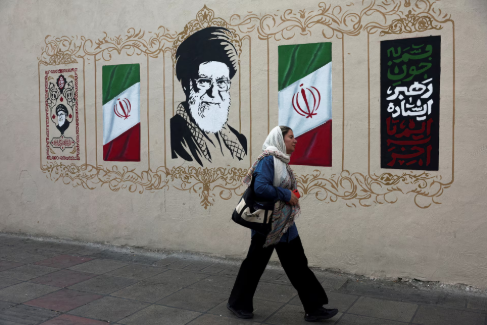
Iran has vowed to retaliate against expanded US sanctions designed to cut off the country’s economic lifelines, as Tehran expressed confidence that major trading partners would resist Washington’s pressure campaign.
US Treasury Secretary Scott Bessent announced the expanded measures on Monday, warning countries that continue trading with Iran that they could risk losing access to the dollar-based financial system.
However, Bessent stopped short of imposing the most severe sanctions immediately and declined to identify the countries that could face penalties or specify when they would take effect.
The US Treasury Department separately announced sanctions against 60 individuals, entities and vessels. The list did not include Chinese financial institutions suspected of facilitating Iran’s oil trade.
Bessent said Washington would give affected countries and companies time to comply with the new measures, explaining that the US did not want to destabilise the global financial system.
The latest sanctions come as diplomatic efforts to end the conflict remain uncertain.
Iran and the United States signed an interim agreement in June aimed at ending the war that began with US and Israeli attacks on Iran. However, the agreement, known as the Islamabad memorandum, subsequently faltered.
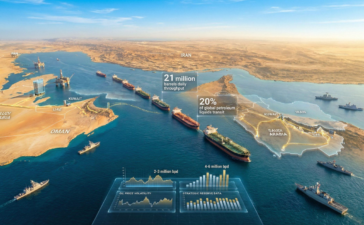
Pakistan said on Tuesday that its latest talks with Tehran had made “significant progress” on measures including preventing further escalation and reopening the Strait of Hormuz, a critical global energy route.
Iran has yet to publicly comment on the latest discussions with Pakistan.
Before the new sanctions were announced, Iranian officials had threatened both a possible military response and further reductions in oil exports from the Gulf in retaliation for additional US economic measures.
Iranian Economy Minister Ali Madanizadeh said Tehran was prepared to respond to the sanctions, accusing Washington of seeking to launch an economic attack against the country.
He said Iran had its own tools to respond and warned that its defence strategy could become more offensive.
Iranian Revolutionary Guard Corps spokesperson Brigadier General Hossein Mohebbi also threatened attacks against US interests and energy chokepoints if Iranian infrastructure is targeted, according to Iranian state media.
The escalation comes as the Trump administration seeks to increase economic pressure on Tehran after months of conflict and rising energy prices.
Despite the absence of major strikes by either side in recent weeks, the conflict has shown little indication of reaching a diplomatic settlement.
Washington is also seeking to halt Iranian attacks on shipping in the Gulf and attacks by its allies on vessels in the Red Sea.
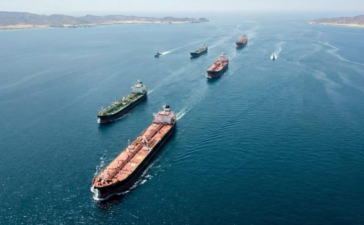
Shipping data showed that only two commodity vessels passed through the Strait of Hormuz on Monday, the lowest daily total since early May.
Before the conflict, the strategic waterway carried approximately one-fifth of global crude oil and liquefied natural gas flows.
The conflict has now lasted almost six months since the US and Israel launched strikes on Iran, with thousands of people killed, most of them in Iran and Lebanon.
While the fighting has weakened much of Iran’s conventional military capability and inflicted significant economic damage, Tehran has retained missile and drone capabilities that could be used against Gulf neighbours and shipping in the Strait of Hormuz.
The status of Iran’s nuclear programme also remains uncertain, despite US and Israeli efforts to dismantle it.
Oil prices steadied on Tuesday after falling by more than $2 per barrel a day earlier, as investors assessed the potential impact of the latest sanctions on global energy supplies.
Bessent said the decision to delay harsher penalties was intended to give countries and companies time to sever their economic ties with Iran.
China remains particularly important to Washington’s strategy, having been the largest buyer of Iranian oil for several years. The US blockade of Iranian ports, renewed in July, has already reduced Iranian oil flows to China.
However, Washington appears cautious about imposing sanctions on Chinese financial institutions, with analysts pointing to the risk of retaliation from Beijing ahead of expected talks between US President Donald Trump and Chinese President Xi Jinping.
China could respond by restricting exports of critical minerals, an area considered particularly sensitive for the US economy.
Asked about Chinese banks, Bessent said no entity was beyond the reach of US sanctions.
China’s Foreign Ministry, meanwhile, criticised sanctions and pressure tactics, saying they would not help resolve the dispute and that Beijing would take necessary steps to protect its interests.