Multilateral Funding Backs National Electrification Expansion
The World Bank announced a major energy development initiative targeting Nigeria during an official briefing earlier today. Specifically, the multilateral financial institution aims to provide reliable electricity access to 32 million citizens by 2032.
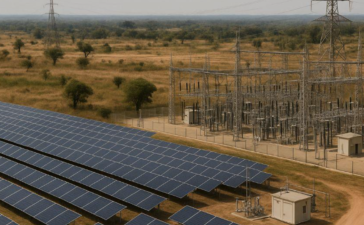
The ambitious program combines direct grid extension investments with decentralized off-grid solar deployments across underserved communities. Consequently, the World Bank is working directly with the Federal Ministry of Power and private mini-grid developers.
Providing clean, reliable power helps small businesses operate continuously and reduces reliance on expensive diesel generators. Therefore, local commercial stakeholders strongly endorsed the long-term energy financing framework.
Scaling Distributed Solar Networks Across Rural Communities
A primary pillar of the energy strategy involves scaling up private-sector mini-grid networks in remote agricultural regions. Smallholder farmers require steady electricity to power crop processing machinery and refrigeration facilities.
Furthermore, connecting primary healthcare centers and rural schools to solar energy improves public service delivery significantly. Micro-financing options allow rural households to purchase affordable solar home systems without paying large upfront costs.
Lowering capital barriers accelerates clean energy adoption across low-income communities. In short, distributed solar technology offers a fast, sustainable solution for national energy poverty.
Strengthening Grid Infrastructure and Distribution Networks
In addition to off-grid projects, the initiative funds major technical upgrades across urban electricity distribution networks. Upgrading transmission lines and installing smart meters reduces energy losses across the national power grid.
Furthermore, smart metering ensures accurate billing, protecting distribution companies from financial losses. Improving utility solvency attracts private investment into new power generation plants across the country.
Ultimately, comprehensive energy sector reforms drive sustainable economic expansion for future generations.