A majority of young Africans believe the policies of US President Donald Trump could create opportunities for the continent despite concerns over deep cuts to American foreign assistance and the broader shift in Washington’s approach to Africa.
The finding is contained in the 2026 African Youth Survey, which examined the views of 4,901 young people between the ages of 18 and 24 across 16 African countries.
According to the survey, approximately 58 to 60 per cent of respondents expressed optimism about the potential impact of Trump’s policies on their future.
The finding is significant because Trump’s return to the White House has been accompanied by major changes in US foreign policy, including substantial reductions in international development assistance.
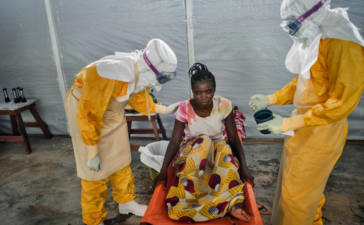
One of the most consequential changes has been the dismantling of the United States Agency for International Development (USAID), an agency that has played a major role in funding health, education, food security and development programmes across Africa.
The survey indicates that 46 per cent of young Africans recognise negative consequences from the reduction of USAID activities.
However, another 26 per cent believe the cuts could force African governments to take greater responsibility for addressing their countries’ domestic challenges.
This perspective reflects a growing desire among young Africans for stronger domestic institutions and greater economic self-reliance.
Rather than viewing Africa’s relationship with the United States entirely through the traditional donor-recipient framework, many young people appear increasingly open to a relationship based on trade, investment, technology, security and mutual economic interests.
The survey also reveals significant differences between countries.
South Africa recorded the strongest scepticism, with 71 per cent of respondents supporting the idea that African leaders should stand up to Trump.
The contrasting attitudes suggest that African public opinion toward Washington is becoming more complex.
For some young Africans, reduced US assistance represents a serious threat to programmes that depend heavily on foreign funding.
For others, the changes could provide an opportunity for African governments to strengthen domestic capacity and negotiate relationships with international partners on more equal terms.
The findings could have important implications for African diplomacy.
Governments may increasingly pursue pragmatic and transactional relationships with Washington, focusing on areas where African countries possess strategic value, including critical minerals, energy, technology, security and access to growing consumer markets.
Countries with strategically important resources could particularly benefit if they successfully negotiate partnerships that prioritise investment and economic development rather than dependence on aid.
However, the reduction in American assistance remains a major concern for countries and communities that rely heavily on US-funded health, humanitarian and development programmes.
The survey therefore presents a complicated picture of Africa’s changing relationship with the United States.
Young Africans are not necessarily rejecting American engagement. Instead, many appear to be calling for a relationship that provides opportunities, investment and economic partnerships while giving African governments greater responsibility for their own development.
As Washington recalibrates its engagement with the continent, African governments will face the challenge of protecting essential development programmes while positioning their countries to benefit from new forms of strategic cooperation.
The attitudes of Africa’s young population could ultimately influence the continent’s diplomatic and economic priorities in the years ahead.