The Nigeria Centre for Disease Control and Prevention (NCDC) has reported a fresh increase in confirmed Lassa fever cases, with the number of infections rising to 963 and the death toll reaching 229 in Nigeria so far in 2026.
The latest figures have renewed concerns about the continued transmission of the disease and the need for stronger prevention, early detection and effective treatment across affected communities.
According to the latest Lassa fever situation report, the country recorded 25 new confirmed cases during epidemiological week 28. This represents an increase from the 14 confirmed cases recorded in week 27.
The development came after the country had recorded 31 confirmed cases in week 26 before the number declined in the following week.
The NCDC said the latest infections were reported in Ondo, Bauchi, Edo, Kogi and Cross River states. Cases recorded during the previous reporting week were also reported in Ondo, Edo, Benue, Bauchi and Kogi.
The figures indicate that Lassa fever continues to circulate across several parts of the country, with some states experiencing persistent transmission.
The cumulative data also show that the disease remains a serious public health concern. As of epidemiological week 28, Nigeria had recorded 963 confirmed cases and 229 deaths, resulting in a case fatality rate of 23.8 per cent.
The case fatality rate is higher than the 18.7 per cent recorded during the same period in 2025, highlighting the seriousness of the current outbreak situation.
Lassa fever is an acute viral haemorrhagic illness that can cause severe disease and death, particularly when diagnosis and treatment are delayed. The disease is endemic in Nigeria and is commonly associated with exposure to the urine or faeces of infected multimammate rats.
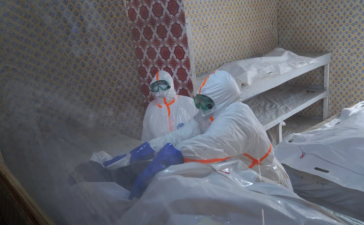
Human-to-human transmission can also occur, particularly in healthcare settings where appropriate infection prevention and control measures are not followed.
The latest development underscores the importance of public awareness and community participation in preventing further spread. Nigerians are generally encouraged to maintain clean surroundings, properly store food and reduce contact with rodents.
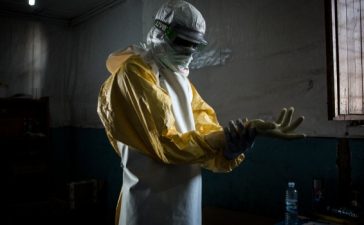
Healthcare workers also remain an important part of the national response. Early recognition of suspected cases, prompt testing and appropriate infection prevention measures are critical to reducing deaths and limiting transmission.
The NCDC has previously called for strengthened state-level action during periods of increased Lassa fever transmission. The agency has also emphasized the need for coordinated surveillance, early diagnosis, effective case management and community engagement.
The continued spread of the disease also places additional pressure on Nigeria’s healthcare system. Hospitals and healthcare workers in affected states must remain vigilant, while state health authorities are expected to strengthen surveillance and ensure that suspected cases are quickly identified and referred for appropriate care.
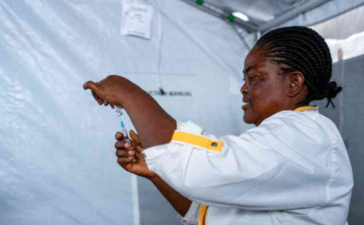
Public health experts have repeatedly stressed that early treatment can significantly improve outcomes for people infected with Lassa fever. This makes public awareness particularly important, as individuals experiencing symptoms associated with the disease should seek medical attention promptly rather than relying on self-medication.
As Nigeria records more cases and deaths, sustained collaboration between federal and state health authorities, healthcare institutions, communities and development partners will be essential.
The latest figures serve as another reminder that Lassa fever remains a significant health challenge requiring continuous surveillance and a coordinated national response.
With 963 confirmed infections and 229 deaths already recorded in 2026, stakeholders are expected to intensify efforts aimed at reducing transmission, improving early diagnosis and ensuring that affected patients receive timely and effective treatment.