Nigeria’s dependence on imported Premium Motor Spirit (PMS), commonly known as petrol, rose sharply in June 2026 despite growing contributions from domestic refineries, according to the latest supply data released by the Nigerian Midstream and Downstream Petroleum Regulatory Authority (NMDPRA).
The regulator’s June 2026 factsheet showed that the country imported an estimated 543 million litres of petrol during the month. The figure represents a significant increase from the approximately 177 million litres imported in May, highlighting a 207 per cent rise in imported fuel receipts within one month.
According to the report, average daily imported PMS deliveries increased from 5.9 million litres per day in May to 18.1 million litres per day in June.
Overall petrol availability also improved during the period. Nigeria received an average of 50.6 million litres of PMS daily in June, compared with 47.4 million litres per day recorded in May.
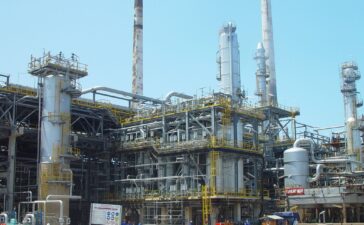
Despite the sharp rise in imports, local refining remained the dominant source of supply.
The NMDPRA said domestic refineries, led by the Dangote Petroleum Refinery alongside other licensed refining facilities, supplied an average of 32.5 million litres of petrol per day, accounting for approximately 64 per cent of the country’s total daily PMS receipts in June.
Imported fuel contributed the remaining 18.1 million litres per day, representing about 36 per cent of total supply.
The latest figures indicate that while Nigeria’s refining capacity is gradually improving, imported petrol continues to play a major role in meeting national demand.
The development comes at a time when the Federal Government has consistently expressed its commitment to reducing fuel imports by encouraging increased domestic refining and supporting investments in the downstream petroleum sector.
Industry stakeholders say the growing output from local refineries, particularly the Dangote Refinery, has significantly reduced Nigeria’s dependence on imported petroleum products compared with previous years. However, they note that fluctuations in domestic demand, logistics challenges, and market dynamics continue to create room for imported supplies.
Energy analysts believe sustaining higher domestic production remains critical to conserving foreign exchange, strengthening energy security and improving long-term fuel availability across the country.
The latest NMDPRA report also reflects the evolving structure of Nigeria’s downstream petroleum market following the deregulation of the sector. Since fuel subsidies were removed, market forces have increasingly determined supply patterns, with both local refiners and fuel importers competing to meet consumer demand.
Experts say that as more local refining projects become operational and existing facilities expand production, Nigeria could gradually reduce its reliance on imported petrol while strengthening its position as a net supplier of refined petroleum products within West Africa.
For now, however, the June figures suggest that imported petrol remains an important component of Nigeria’s energy supply chain, even as domestic refining capacity continues to grow.