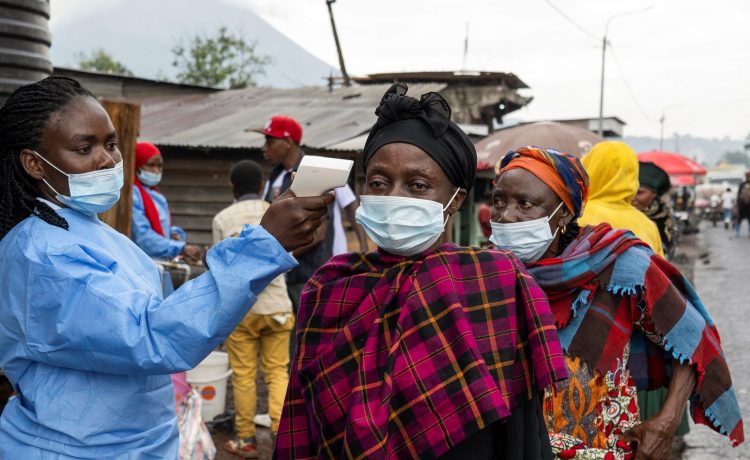
Uganda has intensified health screening and public safety measures in the capital, Kampala, after confirming two new Ebola cases, bringing the total number of infections in the country to seven since the outbreak was declared on May 15.
According to Uganda’s health ministry, the latest patients are Ugandan health workers employed at a private medical facility in Kampala.
The ministry said both patients have been admitted to a designated treatment centre where they are currently receiving medical care.
Health authorities also confirmed that contact tracing efforts are ongoing and urged members of the public to immediately report anyone showing symptoms associated with the Ebola virus.
At Mulago National Specialised Hospital, visitors are being screened by health workers as part of the government’s efforts to contain the outbreak and prevent further spread.
Despite growing concern over the outbreak, some Kampala residents expressed confidence in the government’s response.
“It’s not the first time it’s happening,” said Kampala-based student Joseph Okalo.
“We’ve seen other cases like COVID before, but personally I trust the Ministry of Health and the government because they are doing all it takes to ensure that Ebola is eradicated,” he said.
Medical workers also praised the speed of the government’s intervention.
“The government didn’t wait for the numbers to be so big to act,” said junior surgeon Joel Kitiibwa.
“Doctors and nurses were prepared, people have been informed about the SOPs, and in churches and public places you find people sanitising and temperatures being taken,” he added.
Some residents, however, called for tighter border control measures, particularly along Uganda’s border with the Democratic Republic of the Congo, where the outbreak has been most severe.
Psychologist Betty Nyangoma said authorities should limit movement from highly affected areas unless proper screening procedures are completed.
“I feel like they should put bans on people coming in from those highly infectious areas,” she said.
The World Health Organization said more than 900 suspected Ebola cases and over 200 suspected deaths have been recorded in the Democratic Republic of Congo, which remains the epicentre of the outbreak.
Uganda last week suspended all public transport connections to the DRC after confirming Ebola cases involving Congolese nationals who crossed into the country.
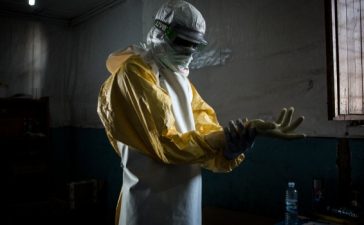
Ebola is a highly infectious viral disease transmitted through direct contact with bodily fluids.
The disease can cause severe bleeding, organ failure, and death if not detected and contained quickly.