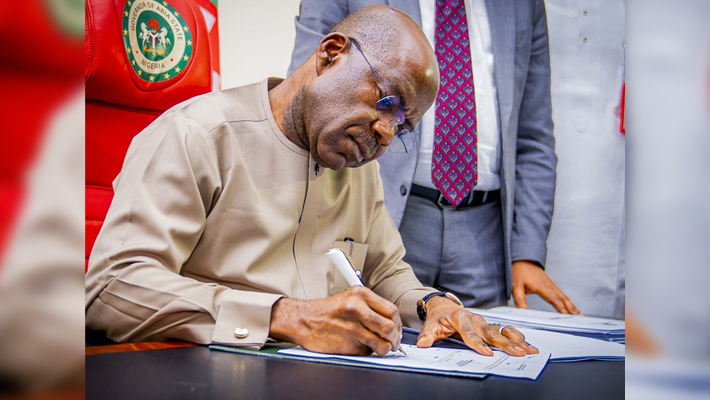
The Abia State Government has committed ₦1.2 billion to support 81 vulnerable groups through life-saving medical interventions and other social protection initiatives, in a move aimed at improving access to essential healthcare for residents facing financial and social challenges.
The intervention is designed to provide critical assistance to vulnerable members of the population who may otherwise struggle to access medical services due to financial constraints. By directing resources towards healthcare and social support, the government is seeking to address some of the barriers that prevent disadvantaged residents from receiving timely and appropriate medical attention.
Access to affordable healthcare remains a major concern for many households across Nigeria. The rising cost of medical treatment, medicines and diagnostic services can place significant pressure on families, particularly those with limited incomes. For people living with serious health conditions, the financial burden can become even more difficult to manage.
The ₦1.2 billion intervention is therefore expected to provide relief to beneficiaries while supporting the state’s broader efforts to improve the wellbeing of vulnerable residents.
The programme will benefit 81 vulnerable groups through medical interventions and other forms of social protection. Such support is particularly important for individuals who require urgent or specialised medical care but may lack the financial resources to cover the associated costs.
The initiative also reflects the importance of combining healthcare delivery with social protection. While investments in hospitals, healthcare workers and medical infrastructure are essential to improving health outcomes, targeted support for vulnerable populations can help ensure that those most in need are not left behind.
The Abia State Government’s intervention comes at a time when governments across Nigeria are increasingly seeking ways to strengthen healthcare access amid economic pressures and rising household expenses.
For vulnerable families, financial assistance towards medical treatment can reduce the risk of delayed care and help patients access necessary services when they need them most. The intervention could therefore contribute to improved health outcomes if the funds are effectively targeted and managed.
Stakeholders are also expected to emphasise the importance of transparency and accountability in the implementation of the programme. Ensuring that the funds reach the intended beneficiaries will be critical to achieving the objectives of the initiative.
The involvement of community organisations and relevant government agencies could also play an important role in identifying vulnerable residents and ensuring that assistance is distributed fairly.
Beyond the immediate healthcare benefits, the programme could strengthen the state’s wider social protection system by providing a framework for supporting residents facing medical and economic difficulties.
The initiative also highlights the need for sustained investment in healthcare financing and social welfare programmes. As medical costs continue to rise, vulnerable households may require additional assistance to maintain access to essential services.
The Abia Government’s ₦1.2 billion commitment represents a significant intervention aimed at addressing these challenges. By supporting 81 vulnerable groups, the state is seeking to improve healthcare access and provide a safety net for residents who may otherwise face difficulties obtaining essential medical care.
The success of the programme will ultimately depend on effective implementation, monitoring and continued government commitment. If properly managed, the initiative could provide meaningful relief to beneficiaries and contribute to broader efforts to reduce healthcare inequalities across Abia State.