The Democratic Republic of Congo’s latest Ebola outbreak is rapidly approaching the country’s second-largest on record, with confirmed cases rising sharply to 3,200 as health authorities struggle to contain the spread.
The number of confirmed infections increased from 2,344 just one week earlier, highlighting the rapid escalation of the health crisis. The death toll has also climbed to 1,405, nearly doubling within two weeks as the outbreak continues to spread.
The current outbreak has already exceeded the number of cases recorded during the first year of Congo’s 2018–2020 Ebola epidemic, which remains the country’s worst outbreak on record. Although the earlier crisis eventually affected more people over its full duration, the rapid increase in cases during the current outbreak has raised serious concerns among health officials and international agencies.
The outbreak is being driven by the Bundibugyo strain of the Ebola virus, for which there is currently no approved vaccine. The absence of a vaccine has complicated efforts to control transmission and protect healthcare workers and vulnerable communities.
Several factors are contributing to the continued spread of the virus. Population movements, insecurity, artisanal mining activities and cross-border trade are making it more difficult for health authorities to identify cases and trace contacts.
The outbreak is also being fuelled by movement across borders with neighbouring Uganda and South Sudan, increasing concerns that the virus could spread beyond the affected areas and create additional challenges for regional health systems.
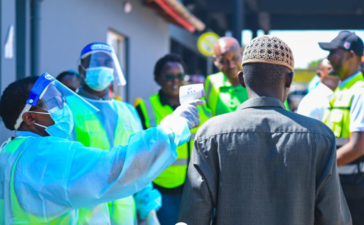
The response has been further weakened by repeated attacks on healthcare facilities and widespread misinformation. Health workers have faced difficulties gaining access to affected communities, while distrust and false information have made it harder to encourage people to seek treatment and cooperate with disease surveillance efforts.
The situation has become particularly serious in Ituri province, one of the areas most affected by the outbreak. In response to growing insecurity, the United Nations has deployed peacekeepers to help protect Ebola treatment centres and support the delivery of humanitarian and health services.
The involvement of peacekeepers reflects the complex nature of the crisis, where the public health emergency is unfolding alongside armed conflict and insecurity.
Health authorities and international partners are facing the difficult task of expanding surveillance, improving community engagement and protecting medical facilities while attempting to slow transmission.
The rapid rise in cases has raised fears that the outbreak could soon become the country’s second-largest Ebola epidemic, underscoring the urgent need for a stronger and coordinated response.
The crisis also highlights the continuing challenges faced by the Democratic Republic of Congo in responding to infectious disease outbreaks in regions affected by conflict, limited healthcare infrastructure and population displacement.
With infections and deaths continuing to rise, health officials are under increasing pressure to contain the outbreak before it reaches an even greater scale and threatens neighbouring countries.