A major development in the fight against sickle cell disease is raising hope in Senegal and across Africa after a local pharmaceutical company began producing a treatment designed to make essential medication more affordable and accessible.
Senegalese pharmaceutical firm Teranga Pharma is producing Drepaf, a generic version of hydroxyurea, a medicine widely used in the treatment of sickle cell disease. The development is particularly significant because Africa carries a large share of the global burden of the inherited blood disorder while many patients still depend on expensive imported medicines.
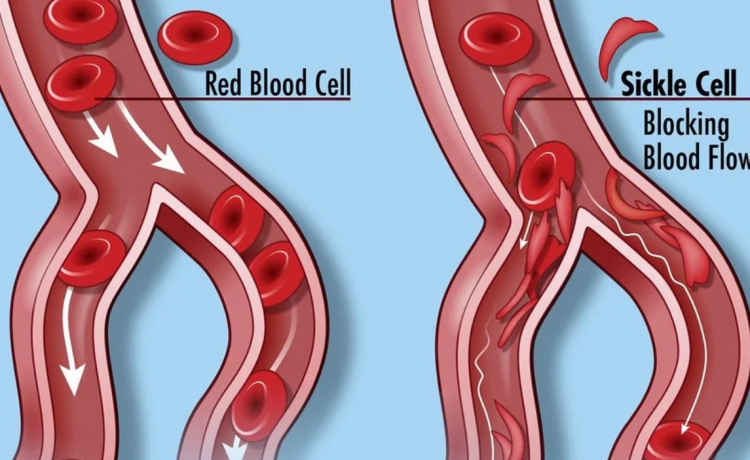
Sickle cell disease affects red blood cells and can cause severe pain, anaemia, extreme fatigue and other serious complications. Patients may experience repeated painful crises and frequent hospital visits, while the condition can also affect children’s education, family finances and quality of life.
Africa accounts for nearly 80 per cent of sickle cell disease cases, according to reports on the new Senegalese initiative. However, access to treatment remains a major challenge in many countries because medicines are often imported from Europe and the Americas at prices many families cannot easily afford.
A Locally Produced Alternative
Teranga Pharma launched Drepaf in November 2025. The medicine is available in two formulations: a 500-milligram dose for adults and a 100-milligram version designed for children.
The company says the treatment is intended to provide a more accessible alternative to imported hydroxyurea medicines. Hydroxyurea is recommended for sickle cell disease treatment because it can help reduce painful crises, hospitalisations and the need for blood transfusions.
One of the most important aspects of Drepaf is its paediatric formulation. The child-friendly version is designed for use from as early as nine months, addressing an important gap in treatment options for younger patients.
Lower Costs Could Help Families
The cost of treatment is one of the biggest challenges facing families affected by sickle cell disease.
Reports say Drepaf is sold to pharmacies at wholesale prices of about 3,000 CFA francs for the adult version and 1,500 CFA francs for the paediatric version. Comparable imported hydroxyurea medicines can cost up to three times more, making the locally produced alternative potentially more affordable for many families.
For families already struggling with repeated hospital visits and medical expenses, cheaper and more reliable access to treatment could make a significant difference.
The development also comes at a time when many African countries have experienced disruptions in the supply of hydroxyurea. A 2023 study cited in reports on the Senegalese initiative found that many healthcare professionals across French-speaking sub-Saharan Africa had experienced frequent interruptions in the medicine’s availability.
Interest From Other African Countries
The project is already attracting attention beyond Senegal.
Teranga Pharma says it is working with partners to increase production and eventually supply other African countries. The company has reported cooperation with Burkina Faso, Guinea and Côte d’Ivoire, while requests have also come from the Democratic Republic of Congo, Gabon and Cameroon.
The company’s longer-term goal is to expand its capacity and meet demand across sub-Saharan Africa by 2030.
The initiative has received about $7.1 million in funding, supporting efforts to increase production and reduce Africa’s dependence on import
A Step Towards Pharmaceutical Independence
The Senegalese project is also being viewed as part of a broader push for Africa to produce more of the medicines needed by its population.
African countries have increasingly called for stronger local pharmaceutical manufacturing, especially after global health emergencies exposed the risks of relying heavily on foreign suppliers.
Producing essential medicines within Africa could help reduce supply disruptions, improve availability and potentially lower costs. It could also create jobs, strengthen local industries and improve the continent’s ability to respond to future health challenges.
For sickle cell patients and their families, however, the most immediate hope is simple: better access to medicine that can help reduce the painful effects of the disease.
The success of Drepaf could become an important example of how African pharmaceutical companies can develop locally appropriate solutions to major health challenges affecting millions of people across the continent.