Nigeria’s ambition to increase crude oil production to 2.5 million barrels per day is receiving renewed attention.
Stakeholders in the oil and gas industry believe that sustained pipeline surveillance will be critical to achieving the target.
The Nigerian Upstream Petroleum Regulatory Commission is leading efforts to improve production.
At the same time, the Nigerian National Petroleum Company Limited and its partners are advancing plans for major deepwater projects.
Pipeline Surveillance Remains Important
Industry stakeholders have called for the continuation of pipeline surveillance operations in the Niger Delta.
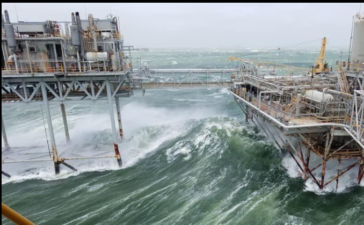
They believe that stronger protection of oil infrastructure will help reduce crude oil theft, pipeline vandalism and production disruptions.
The stakeholders also linked effective surveillance to improved investor confidence.
According to them, investors are more likely to commit funds to the sector when oil and gas assets are adequately protected.
Bonga Southwest/Aparo Project Advances
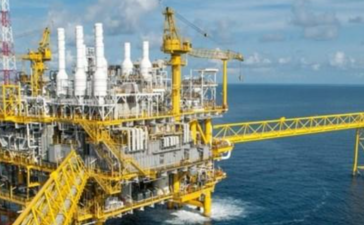
The renewed focus on production comes as NNPC Limited and its partners advance the proposed Bonga Southwest/Aparo project.
The project is estimated to attract up to $21 billion in investment.
The partners have signed agreements expected to move the development closer to a Final Investment Decision.
The project is regarded as an important part of Nigeria’s efforts to revive investment in deepwater oilfields.
It could also support the country’s long-term production capacity.
Nigeria’s Production Challenge
Historical production data showed that Nigeria reached a major production milestone in November 2005.
At the time, the country was a major force within OPEC and the international oil market.
However, production has declined significantly from historical levels.
Despite investment efforts following the passage of the Petroleum Industry Act, national output, including condensates, has remained below 1.7 million barrels per day.
This has created a significant gap between current production and the government’s 2.5 million barrels per day target.
Security and Investment Must Work Together
Stakeholders believe that security alone will not be enough to increase production.
They also identified the need for a stable investment environment, efficient operations and faster development of upstream projects.
The oil industry requires substantial capital to support exploration, development and production.
Therefore, investors must have confidence in the security of assets and the stability of the regulatory environment.
Deepwater Projects Could Boost Output
The Bonga Southwest/Aparo project could play an important role in Nigeria’s plans to expand production.
Deepwater developments often require significant capital and long-term planning.
However, they can also provide substantial production capacity when completed.
The advancement of the project therefore offers a potential boost to Nigeria’s upstream sector.
Outlook for Nigeria’s Oil Industry
Achieving the 2.5 million barrels per day target will require sustained action across several areas.
These include pipeline surveillance, investment in new projects, improved regulation and stronger operational efficiency.
Nigeria must also address the factors that have discouraged investment in its oil and gas sector.
For now, the renewed focus on asset protection and deepwater development highlights the connection between security, investment and production growth.