The Panama Canal Authority has announced plans to reduce the number of vessels permitted to transit the strategic waterway as worsening drought conditions linked to the strengthening El Niño weather phenomenon threaten water supplies needed to operate the canal’s locks.
Under the new measures, daily vessel crossings will initially fall from the normal 36 ships to 34, beginning in early September, before being reduced further to 32 vessels per day from September 15. The restrictions are designed to protect the canal’s long-term operational reliability as rainfall and watershed inflows remain below normal levels.
The Panama Canal depends heavily on freshwater from its watershed to raise and lower ships as they move between the Atlantic and Pacific oceans. The current situation is therefore not simply a shipping issue but also a water-management challenge.
Recent rainfall between May and August was reportedly 34% below average, while inflows into the canal’s watershed were down by approximately 44%. These figures have increased concerns that the water shortage could persist if the expected El Niño conditions intensify.
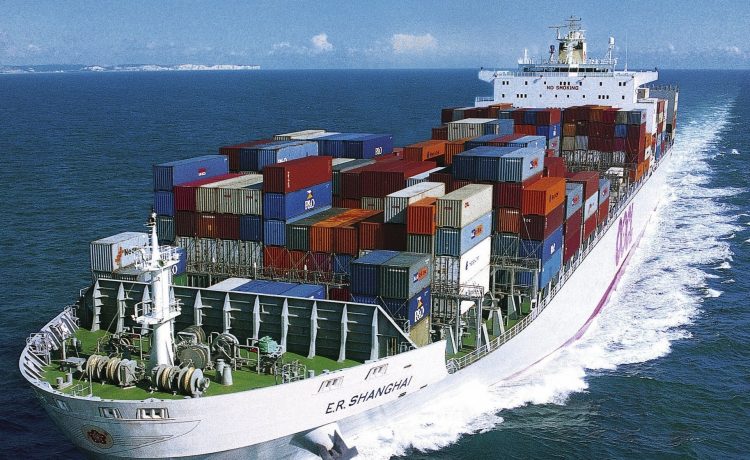
The restrictions could have significant consequences for international shipping because the Panama Canal is one of the world’s most important maritime shortcuts, handling more than 3% of global maritime trade. Any reduction in available transit slots can lead to longer waiting times, higher freight costs and pressure on alternative shipping routes.
Shipping companies may consequently have to adjust sailing schedules, reserve transit slots earlier or consider alternative routes depending on vessel size and cargo requirements.
The announcement also comes at a sensitive time for global shipping, with geopolitical tensions already disrupting important maritime routes. Additional constraints at the Panama Canal could therefore add another layer of uncertainty to global supply chains.
The authority has said lessons learned during previous drought episodes will help it manage the latest restrictions. Nevertheless, the development highlights the growing vulnerability of critical maritime infrastructure to extreme weather and changing climate conditions.
For global shipping operators, the message is clear: water availability is becoming an increasingly important factor in maritime logistics and supply-chain planning.