The Nigerian Maritime Administration and Safety Agency (NIMASA) has unveiled newly acquired security equipment to strengthen maritime surveillance and sustain efforts to combat piracy and other criminal activities in Nigerian waters.
The new assets were presented at the 2026 Africa International Defence Exhibition (AFRIDEX), bringing together security organisations, military representatives and stakeholders from different countries.
The equipment forms part of efforts to improve the operational capacity of the Integrated National Security and Waterways Protection Infrastructure, popularly known as the Deep Blue Project.
The newly unveiled assets include vertical take-off and landing (VTOL) unmanned aerial vehicles, armoured vehicles, light utility vehicles designed for bush and land-based operations, advanced surveillance technology and specialised tactical equipment.
The Director-General of NIMASA, Dr Dayo Mobereola, said the acquisitions would strengthen the sustainability and operational effectiveness of the Deep Blue Project.
Mobereola, who was represented by the Head of the Deep Blue Unit, Aisha Yakubu Idris, explained that the new equipment would provide military personnel deployed under the initiative with additional resources to tackle piracy and other illegal activities in Nigerian waters.
He reaffirmed the agency’s commitment to maintaining a zero-tolerance approach to maritime criminality.
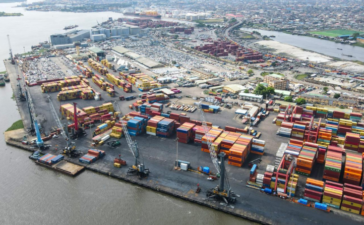
The development comes as Nigeria continues to strengthen security operations across its maritime domain, recognising the importance of safe waterways to international trade, shipping activities and economic development.
Deep Blue Project strengthens security operations
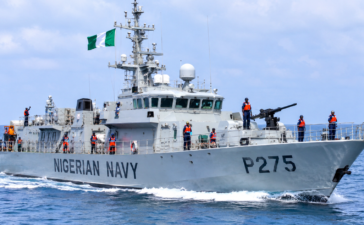
The Deep Blue Project is a major maritime security initiative established to improve Nigeria’s ability to monitor and protect its territorial waters against criminal activities.
The initiative combines maritime, aerial and land-based security operations to support the detection and prevention of threats within the country’s maritime environment.
The introduction of additional surveillance equipment is expected to improve intelligence gathering and provide security personnel with better operational support.
The VTOL unmanned aerial vehicles are particularly important because they can operate from different locations, including vessels and land-based facilities, providing additional surveillance capabilities.
The armoured vehicles and specialised tactical equipment are also intended to support personnel involved in security operations.
The equipment upgrade reflects the growing importance of technology in modern maritime security, particularly as criminal activities increasingly require coordinated responses involving different security agencies.
During the exhibition, the Minister of Defence, General Christopher Musa (rtd), visited the NIMASA stand and witnessed a tactical demonstration simulating a piracy attack in Nigerian waters.
The demonstration highlighted the operational role of the Deep Blue Project in responding to maritime security threats.
Technical partner highlights importance of equipment upgrades
The Chief Executive Officer of HLS International, Tal Spektor, whose organisation serves as the technical partner to the Deep Blue Project, emphasised the importance of regularly upgrading security equipment.
He explained that maritime security operations must respond to changing threats and emerging criminal activities.
According to Spektor, maritime security cannot be restricted to activities taking place on the sea because illegal offshore operations are often connected to activities on land.
He stressed the need for a coordinated security approach that covers both maritime and land-based environments.
Spektor also disclosed that improvements to the project’s intelligence systems had enhanced cargo monitoring and information sharing between NIMASA and other government agencies.
Improved information sharing is important because maritime security requires cooperation among several institutions responsible for monitoring vessels, cargo movements and activities within Nigerian waters.
Such collaboration can help authorities identify suspicious movements and respond more effectively to potential security threats.
Implications for Nigeria’s maritime industry
The introduction of the new security assets is expected to strengthen confidence in Nigeria’s maritime environment.
A secure maritime domain is essential for shipping companies, port operators, importers, exporters and other businesses that depend on the movement of goods through Nigerian waters.
Piracy and other maritime crimes can increase operational risks, disrupt shipping activities and discourage investment in the maritime industry.
By strengthening surveillance and operational capacity, NIMASA is seeking to support a safer environment for commercial shipping and other maritime activities.
However, the effectiveness of the new equipment will depend on proper deployment, regular maintenance, adequate training and sustained cooperation among relevant government agencies.
The agency’s latest acquisition also demonstrates the importance of continuous investment in maritime security infrastructure as Nigeria seeks to protect its waterways and strengthen its position in regional and international shipping.
As AFRIDEX 2026 brings together security organisations and industry stakeholders, the unveiling of the assets highlights Nigeria’s continued attention to technology, intelligence gathering and coordinated operations in tackling maritime threats.