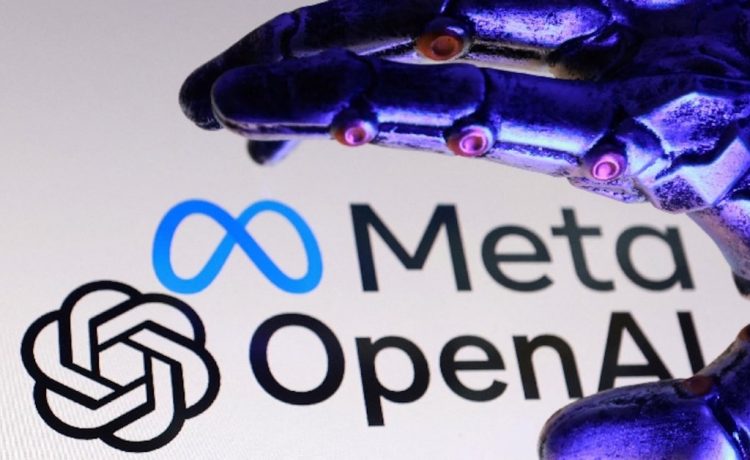
Meta Platforms has proposed granting rival artificial intelligence chatbots, including OpenAI, free access to its messaging service WhatsApp in Europe, in a move aimed at addressing mounting regulatory pressure from the European Union.
The proposal, which has not been previously reported in detail, comes as EU antitrust authorities intensify scrutiny of Big Tech firms over concerns that they may be limiting competition in emerging AI markets.
According to people familiar with the matter, Meta submitted its proposal to European Commission regulators last week following indications that the Commission was considering an order that would force the company to provide rivals with access to WhatsApp while an ongoing investigation continues.
Interested stakeholders were required to submit feedback to the Commission by May 18, after which regulators will decide whether to accept Meta’s proposal.
Under the plan, Meta would allow rival AI chatbots to use WhatsApp’s business application programming interface (API) for free up to a certain usage threshold, after which charges would apply based on message volume.
The European Commission declined to comment directly on the proposal but reiterated its commitment to ensuring that the market for AI assistants remains open and competitive.
It said Meta’s offer could still be refined through further discussions to address regulatory concerns.
Meta Platforms said it had already provided rival AI chatbots in Europe with free access to the WhatsApp Business API for one month while negotiations continue.
However, some competitors have criticised the proposal as insufficient.
The Interaction Company of California, developer of the Poke.com AI assistant, said Meta’s offer does not resolve the competition issues raised in the case.
The company urged the Commission to consider interim measures if Meta fails to present a stronger proposal.
Similarly, French startup Agentik argued that the plan unfairly disadvantages competitors because it does not apply to Meta’s own AI assistant, which operates differently from third-party services using the WhatsApp API.
The dispute follows Meta’s earlier policy changes that initially restricted WhatsApp access to its own AI assistant, before later allowing competitors to use the platform for a fee.
That policy shift prompted renewed regulatory scrutiny and a second round of complaints to EU competition authorities.
Meta subsequently suspended fees temporarily while continuing discussions with regulators on a longer-term framework.
The broader case reflects the European Union’s effort to regulate emerging AI ecosystems and prevent dominant tech companies from leveraging platform control to suppress competition in new digital markets.