A surge in meningitis cases in eastern Chad has killed nearly 12 per cent of infected children, according to the humanitarian organisation Médecins Sans Frontières (MSF).
The medical charity raised the alarm on Thursday, warning that overcrowded refugee settlements near the Sudan border are accelerating the spread of infectious diseases.
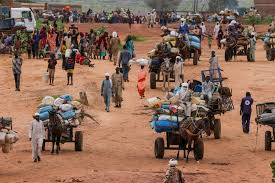
The outbreak is particularly severe in the border town of Adre, where hundreds of thousands of refugees fleeing violence in neighbouring Sudan are currently sheltering.
According to MSF, 212 children were admitted with meningitis at its health facilities between March and April, with 25 deaths recorded during the period.
The organisation described the situation as alarming, noting that the fatality rate among infected children is unusually high.
In addition to meningitis, measles cases are also rising rapidly in the area, further straining already limited healthcare services.
MSF medical activity manager in Adre, Isabelle Kavira, said many children are arriving at health centres with severe complications.
“Every day, we see children arriving with severe measles, often complicated by pneumonia, requiring urgent hospitalization,” Kavira said.
She added that the surge in meningitis cases has pushed hospital capacity to its limits.
“At the same time, bed occupancy for meningitis is close to 100 per cent, saturating our capacity and compromising care for other conditions,” she said.
According to United Nations estimates, more than 1.3 million Sudanese refugees have fled into Chad since the conflict erupted in Sudan in April 2023.
The war pits the Sudanese army against the paramilitary Rapid Support Forces and has triggered widespread violence, famine and displacement, particularly in the Darfur region.
Many of the refugees arriving in Chad are survivors of mass killings and severe food shortages.
In response to the outbreak, Chad’s health ministry and MSF teams have launched emergency vaccination campaigns in the hardest-hit areas.
The initiative has so far vaccinated more than 95,500 children against measles and about 337,800 people against meningitis.
Humanitarian workers warn that unless health services are expanded and living conditions improved in the camps, the risk of further disease outbreaks will remain high.
Aid agencies say urgent support is needed to strengthen medical facilities, improve sanitation and prevent the worsening of the public health crisis affecting displaced populations.