

The city of Kétou in southeastern Benin is preserving and showcasing its Yoruba cultural heritage through historic landmarks, traditional ceremonies and the performance of Guèlèdè, a cultural tradition that celebrates women and honours the primordial mother, Iyà Nlà.
Kétou’s history is closely connected to Yoruba civilisation, with oral tradition tracing the city’s founding to King Edé and its origins to the ancient city of Ilé-Ifè in present-day Nigeria.
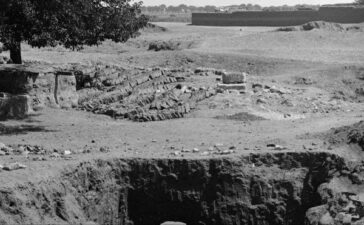
The city’s historical identity is reflected in several important landmarks, including its royal palace, known as Aafin, and Akaba Idéna, a fortified entrance traditionally referred to as the magic gate.
Akaba Idéna once served as a protective entrance to the kingdom, with separate gates for men and women. The structure remains an important reminder of Kétou’s traditional system of governance, social organisation and historical defence.
Beyond its architectural heritage, the city is renowned for its Guèlèdè ceremonies, which combine dance, music, drumming and elaborate carved masks.
The performances honour Iyà Nlà and celebrate the role of women in society. Traditionally led jointly by men and women, the ceremonies reflect the community’s understanding of gender, spirituality and social responsibility.
Guèlèdè also serves as a means of preserving Yoruba-Nago history, beliefs and values, passing cultural knowledge from one generation to another through performance and communal participation.
The tradition provides a connection between Kétou and the wider Yoruba cultural world, including communities in neighbouring Nigeria.
Through its palace, fortifications and living cultural practices, Kétou offers an important insight into the historical links and shared heritage that connect communities across present-day national boundaries.