Airline operators in Nigeria have warned that the country’s aviation industry is facing increasing financial pressure, with concerns over multiple taxes and charges imposed on passengers and airlines.
The operators said the combined tax burden on flight tickets, which they estimate at 12.5 per cent, could worsen the difficulties facing local carriers and threaten the sustainability of the industry.
The concerns were raised during a stakeholder town hall meeting organised by the Office of the Tax Ombud in Lagos on November 13, 2026.
The meeting, which focused on fairness in tax and revenue administration in Nigeria, brought together airline operators, business organisations, tax officials and other private-sector representatives.
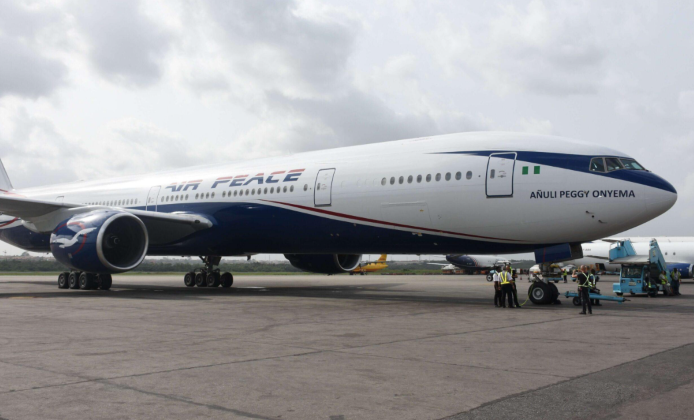
Air Peace Chief Executive Officer and Vice President of the Airline Operators of Nigeria, Allen Onyema, was among the industry representatives who spoke at the event.
Onyema argued that airlines were struggling with several financial obligations and that additional tax pressures could make it more difficult for operators to remain profitable.
He identified the 7.5 per cent Value Added Tax and a five per cent charge collected through the Nigerian Civil Aviation Authority as components of the burden facing passengers.
According to him, the combined charges amount to 12.5 per cent of the ticket price.
He also raised concerns about the continued demands from revenue agencies for the payment of taxes that airline operators said had been waived by the government.
The airline executive called for urgent intervention, warning that the industry could face serious difficulties without changes to the existing tax administration system.
The concerns reflect wider complaints among Nigerian businesses about overlapping taxes, multiple government charges and uncertainty surrounding the interpretation of tax policies.
For airlines, these challenges come on top of other operating expenses, including aviation fuel, aircraft maintenance, insurance, spare parts, airport charges and foreign currency obligations.
Many airlines depend on imported aircraft components and international maintenance services, making exchange-rate movements an important factor in their operating costs.
Fuel expenses also remain a major consideration because aviation operations require substantial amounts of fuel to maintain scheduled services.
When operating expenses increase, airlines may respond by adjusting ticket prices, reducing capacity or reviewing routes that are no longer commercially sustainable.
Higher ticket prices can then affect passenger demand, particularly among travellers who already face rising living expenses.
The aviation industry plays an important role in Nigeria’s economy by supporting tourism, business travel, trade, employment and connectivity between cities.
Domestic airlines also provide transportation links for passengers travelling between commercial centres, government locations and other important destinations.
A financially weak aviation industry could therefore affect businesses and individuals who depend on reliable air transportation.
The operators have called for greater coordination among government agencies to reduce confusion surrounding tax obligations and ensure that existing policies are implemented consistently.
The Office of the Tax Ombud is expected to play an important role in addressing complaints involving tax administration and disputes between taxpayers and revenue authorities.
However, the claims made by airline operators concerning the combined charges should be distinguished from a final regulatory determination of the taxes legally payable on every ticket.
The government and relevant agencies would need to clarify the applicable provisions, including the treatment of VAT and aviation-related charges, to prevent further uncertainty.
The issue also raises broader questions about how Nigeria can generate public revenue without placing excessive pressure on important economic sectors.
Taxation is necessary to finance public services and infrastructure, but businesses require predictable policies that allow them to plan their operations.
For airlines, a transparent and consistent tax framework could help reduce disputes, improve financial planning and strengthen investor confidence.
The industry will also need to address its other structural challenges, including access to affordable financing, infrastructure limitations and the high cost of maintaining aircraft.
As discussions continue, airline operators are calling for urgent engagement with government authorities to resolve outstanding concerns.
The outcome could influence the cost of air travel, the financial performance of local airlines and the wider development of Nigeria’s aviation sector.