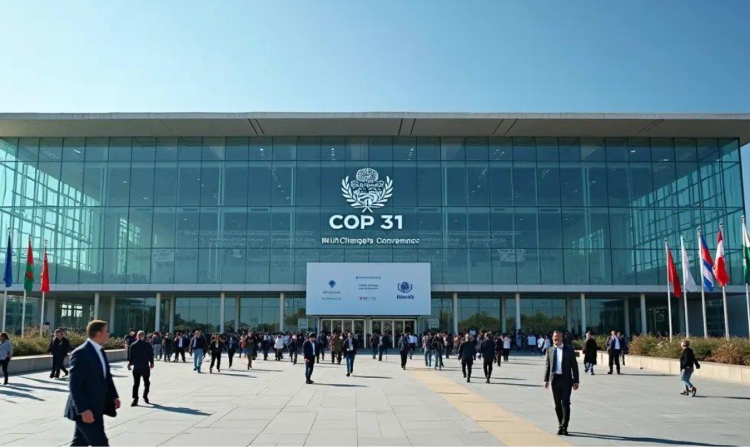
The 31st United Nations Climate Change Conference, known as COP31, is scheduled to begin on Monday, November 9, 2026, in Antalya, Turkey, bringing governments, environmental organisations, scientists and international development institutions together to discuss the global climate crisis.
The conference is scheduled to run until November 20 and comes at a time when countries are facing growing pressure to strengthen their environmental commitments and accelerate the transition towards cleaner energy sources.
COP31 is expected to provide an important platform for discussions on climate financing, renewable energy, rising global temperatures and the increasing economic consequences of extreme weather events.
The United Nations has identified the conference as an important opportunity for countries to accelerate climate action and strengthen international cooperation.
Climate change has become one of the most significant challenges facing the global economy. Rising temperatures, changing rainfall patterns, prolonged droughts, flooding and other extreme weather conditions are affecting communities and businesses across different regions.
Developing countries are particularly vulnerable because many lack the financial resources and infrastructure needed to respond effectively to climate-related disasters.
African countries, for example, contribute relatively little to global greenhouse gas emissions but face significant risks from desertification, flooding, changing agricultural conditions and water shortages.
These challenges have increased calls for developed economies to provide stronger financial support to vulnerable countries.
Climate financing is therefore expected to remain a major issue during COP31.
Developing countries need funding to invest in renewable energy, strengthen infrastructure, improve agricultural systems and protect communities against the effects of extreme weather.
However, disagreements over funding commitments, financial accountability and the responsibilities of wealthier nations have continued to complicate international climate negotiations.
Another important issue is the transition from fossil fuels to renewable energy.
Many governments are under pressure to reduce their dependence on coal, oil and natural gas while expanding investments in solar, wind, hydropower and other cleaner energy technologies.
However, the transition presents economic difficulties for countries whose public revenues and employment opportunities depend heavily on traditional energy industries.
For many developing economies, the challenge is finding a balance between environmental protection, energy affordability and economic growth.
The availability of reliable electricity is particularly important for African countries, where power shortages continue to affect households, manufacturers and small businesses.
Consequently, discussions on energy transition are expected to attract considerable attention from African representatives and other developing nations.
The conference also provides an opportunity to examine the role of technology in reducing emissions and improving climate resilience.
Renewable energy technologies, battery storage systems, efficient electricity networks and climate-smart agricultural practices can help countries reduce environmental risks while supporting economic development.
Nevertheless, access to these technologies remains uneven, particularly in countries with limited financing and infrastructure.
The success of COP31 will depend partly on whether participating countries can move beyond political statements and establish practical commitments that can be implemented.
Previous climate conferences have produced international agreements and targets, but the gap between commitments and actual implementation remains a major concern.
Countries will therefore face pressure to demonstrate how their climate policies will translate into measurable improvements.
For businesses, the outcome of the conference could influence investment decisions, environmental regulations and opportunities in renewable energy.
Financial institutions may also face increased expectations to support projects that contribute to climate resilience and sustainable development.
As the conference begins in Antalya, the international community faces an important question: how can countries protect the environment without undermining economic development and energy access?
The discussions over the next two weeks are expected to contribute to the wider international effort to address climate change and strengthen cooperation between developed and developing economies.