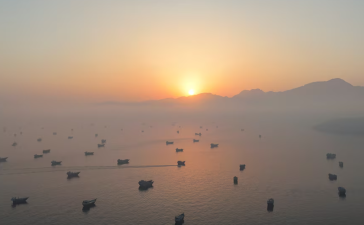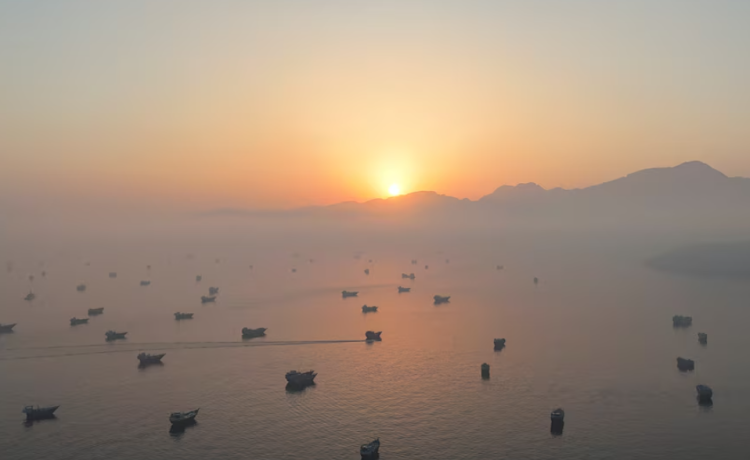
Shipping traffic through the Strait of Hormuz has slowed again as uncertainty continues to surround one of the world’s most important maritime routes.
Fresh shipping data showed that only six commodity vessels crossed the strategic waterway on Tuesday. This was down from nine vessels the previous day and below the recent 10-day daily average of 11 transits.
The decline highlights the continued caution among shipowners and operators. Many companies appear unwilling to send vessels through the route until there is clearer information about whether normal commercial shipping can safely resume.
The situation has become more complicated because of conflicting statements from the United States and Iran.
On Tuesday, US President Donald Trump said the Strait of Hormuz was open. However, Iran maintained that the waterway remained shut to shipping. The lack of agreement between the two sides has left shipping companies facing major uncertainty.
As a result, commercial traffic remains far below normal levels.
A Critical Route for Global Energy
The Strait of Hormuz is one of the world’s most strategically important maritime chokepoints. Before the current conflict and disruption, the waterway handled about one-fifth of global shipments of crude oil and liquefied natural gas.
This means any serious disruption can quickly affect energy markets, shipping costs and international trade.
Oil-producing countries in the Gulf depend heavily on the route to transport crude to customers around the world. Major importing countries, particularly in Asia, also depend on regular supplies moving through the strait.
The latest slowdown therefore has consequences far beyond the Middle East.
According to shipping data, the vessels that crossed the strait on Tuesday included an empty very large crude carrier travelling on the Omani side, as well as two other tankers entering the waterway.
Three vessels also exited the strait, including two medium-range fuel tankers and a post-Panamax vessel.
Although some ships are still moving, the number of crossings shows that many owners remain cautious.
The biggest concern is not simply whether the route is technically open. Shipowners must also consider the safety of their crews, vessels and cargo.
In an environment of military and political tension, companies may choose to delay voyages or use alternative arrangements rather than expose ships to possible attacks or other security risks.
Uncertainty Keeps Shipowners Away
The maritime industry depends heavily on clear communication and predictable conditions.
When there is uncertainty over whether a major waterway is open, shipping companies face difficult decisions. A vessel may carry cargo worth millions of dollars, while delays can create additional costs for fuel, insurance, chartering and supply chains.
Safety is also a major concern for seafarers.
Shipping companies must assess the risks before allowing crews to enter areas affected by conflict or threats to navigation. Even when authorities claim that a route is open, operators may remain cautious if the security situation is unclear.
This appears to be happening in the Strait of Hormuz.
The latest figures show that shipping has not returned to normal levels despite claims that the waterway is open. Until there is greater confidence among shipowners, traffic could remain limited.
The situation is also adding pressure to the global oil market. Continued uncertainty over exports through Hormuz has contributed to concerns about supply disruptions, while traders closely monitor developments in the region.
For the shipping industry, the crisis demonstrates how quickly geopolitical tensions can affect maritime trade.
A single chokepoint can influence the movement of energy, the availability of vessels and the cost of transporting goods across the world.
What Happens Next?
The next major question is whether clear agreements will be reached that give shipping companies confidence to resume normal operations.
For now, the conflicting positions of the United States and Iran continue to create uncertainty.
If a clear and credible arrangement is reached to guarantee safe navigation, more vessels could gradually return to the route. However, if tensions continue or new security incidents occur, shipowners may remain reluctant to resume regular transits.
The impact could also extend to freight and insurance costs. Longer waiting periods, rerouting and higher security measures can all increase the cost of maritime transport.
For countries that depend on energy imports, continued disruption could also create pressure on supply chains and prices.
As of August 19, the figures show a clear picture: traffic is still moving through the Strait of Hormuz, but at a much slower pace than normal.
Until the uncertainty over the waterway is resolved, the world’s shipping industry will continue to watch the Strait of Hormuz closely.
The situation remains one of the most important maritime developments in global trade, with the safety of seafarers, the movement of oil and gas and the stability of international shipping all depending on what happens next.