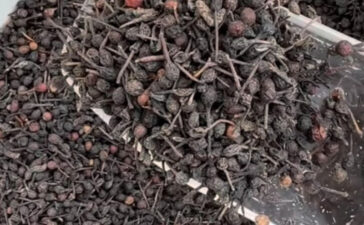
Egyptian designer Aya Moug is exploring new applications for papyrus, an ancient plant historically used along the Nile for writing, boat construction and basketry, by transforming its fibres into a contemporary material for furniture and interior design.
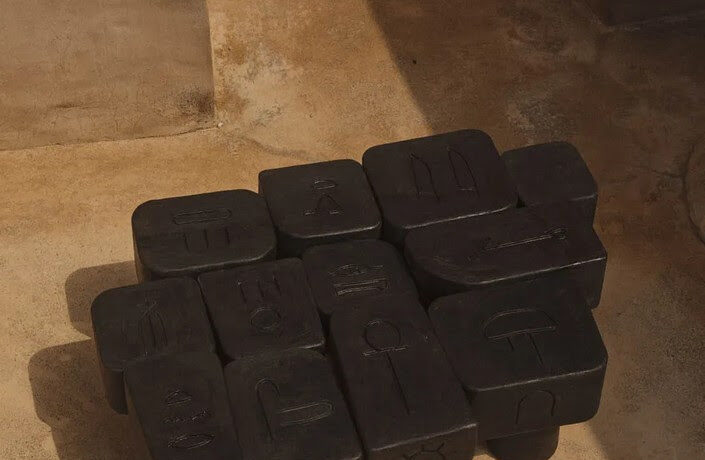
Through years of research into the plant’s historical applications and physical properties, Moug has developed Byblos, a clay-like biomaterial produced from papyrus fibres that can be moulded or cast into different forms.
The innovation seeks to reconnect Egypt’s ancient material heritage with contemporary design while exploring alternatives to conventional furniture and interior materials.
Papyrus, a wetland plant historically associated with Egyptian civilisation, was widely used in ancient times for producing writing surfaces, woven objects and other everyday materials.
Moug’s research examined the plant’s structural strength and naturally adhesive sap, which contribute to its potential as a material for modern manufacturing.
After approximately two years of experimentation, she developed Byblos as a workable biomaterial that can be shaped into different objects and incorporated into furniture production.
The material has since become a central component of her design practice, which draws inspiration from Egyptian history, symbolism and traditional craftsmanship.
Among her creations are the Shen tables, the Mooy collection, inspired by the ancient hieroglyphic symbol for water, and Ze+MET, a furniture collection referencing the distinctive forms of ancient Egyptian cat-legged chairs.
Through these designs, Moug is exploring how historical symbols and materials can be translated into contemporary objects without losing their cultural significance.
Beyond its design applications, the use of papyrus also presents potential environmental benefits.
The plant grows relatively quickly in suitable wetland conditions and can contribute to filtering pollutants from water systems, making it an interesting resource for designers exploring renewable materials.
Moug believes wider cultivation and commercial utilisation of papyrus could help reduce pressure on conventional timber resources while creating new opportunities for sustainable manufacturing.
Through her company, Papyri, she is exploring additional applications for Byblos, including architectural surfaces and interior design products.
The initiative reflects growing interest in biomaterials as industries increasingly explore alternatives to resource-intensive materials and production methods.
Furniture and construction manufacturers are under increasing pressure to consider the environmental impact of their raw materials, production processes and supply chains.
For Egypt, the revival of papyrus also presents an opportunity to turn a material associated with its ancient civilisation into a contemporary commercial resource.
However, the wider adoption of the material will depend on production scalability, durability, cost competitiveness and the development of reliable supply chains.
If successfully commercialised, Byblos could create opportunities at the intersection of design, environmental innovation and cultural heritage, while demonstrating how traditional resources can inspire new approaches to sustainable manufacturing.