Global oil prices are heading for a sharp weekly decline as expectations of a possible de-escalation of the Iran conflict weigh on market sentiment, although concerns about disruptions to Middle East oil supplies continue to support prices.
Brent crude futures for January delivery rose by $1.29, or 1.31 per cent, to $99.58 per barrel as of 05:04 GMT on Friday. US West Texas Intermediate (WTI) crude futures also gained 86 cents, or 0.95 per cent, to trade at $91.38 per barrel.
Brent briefly moved above the $100 mark during morning trading, while both major oil benchmarks recorded gains for a second consecutive session.
Despite the recovery, the contracts remained on course for substantial weekly losses. Brent was set to fall by approximately 12 per cent for the week, while WTI was projected to decline by 12.1 per cent.
The movement reflects changing expectations among investors about the direction of the conflict involving the United States, Israel and Iran, as well as the potential impact on global oil supply.
US Election Results Influence Oil Market Sentiment
The recent decline in crude oil prices followed expectations that political developments in the United States could create conditions for a reduction in tensions surrounding the Iran conflict.
President Donald Trump’s Republican Party suffered significant election losses, with Democrats gaining control of both the Senate and the House of Representatives, according to the supplied market report.
Investors interpreted the outcome as a possible development that could influence the US administration’s approach to the conflict.
The market reaction was particularly visible on Wednesday, when oil prices fell by about 8 per cent following the election results, settling at their lowest levels in two months.
The decline reflected expectations that a possible easing of hostilities could reduce the risk of disruptions to crude oil production, transportation and exports from the Middle East.
Oil markets are highly sensitive to geopolitical developments because uncertainty around major producing regions can affect supply expectations and trigger significant price movements.
However, a possible reduction in tensions does not automatically mean that supply risks have disappeared.
Middle East Supply Concerns Continue to Support Prices
Although expectations of de-escalation have placed downward pressure on oil prices, concerns about the security of energy supplies from the Middle East continue to provide support for the market.
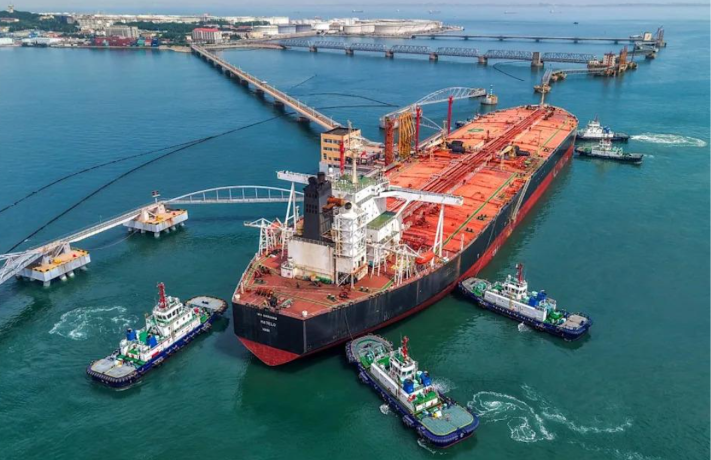
The region remains a major source of global crude oil production and exports. Any escalation of military activities or disruption to important shipping routes could affect the movement of oil to international markets.
One major concern is the Strait of Hormuz, a strategic waterway through which a significant share of internationally traded oil passes.
Disruptions to shipping through the route could affect crude oil availability and increase transportation costs for buyers.
Such risks can encourage traders to maintain higher price expectations even when the broader market is experiencing a decline.
This explains why oil prices were able to recover on Friday despite remaining on track for their biggest weekly losses in the reported period.
Investors are therefore weighing two competing developments: expectations of reduced geopolitical tensions and the continuing possibility of supply disruptions.
Brent and WTI Face Different Market Pressures
Brent crude and West Texas Intermediate are the two major international oil benchmarks used to assess movements in global crude oil prices.
Brent is widely used as a pricing reference for crude oil produced in several regions, including Africa, Europe and the Middle East.
WTI is the main benchmark for US crude oil.
Their prices often move in the same direction, although differences in crude quality, location, transportation costs and supply conditions can influence the gap between them.
In Friday’s trading, Brent rose to $99.58 per barrel, while WTI increased to $91.38 per barrel.
Despite the daily gains, both benchmarks remained under pressure from the sharp decline recorded earlier in the week.
The market’s direction will depend partly on whether diplomatic or political developments reduce the risk of further conflict and whether oil production and transportation across the Middle East remain stable.
Implications for Nigeria and Other Oil-Producing Countries
Changes in international crude oil prices are important for Nigeria because crude oil remains a major source of foreign exchange earnings and government revenue.
A sustained decline in global oil prices could reduce the value of Nigeria’s crude exports and place pressure on revenue projections, particularly if production levels do not increase enough to compensate.
Lower oil prices could also affect the amount of money available to support government spending and foreign exchange inflows.
However, the effect on Nigeria’s economy will depend on several factors, including domestic crude production, export volumes, the quality of crude grades and the exchange rate.
For consumers, falling international oil prices do not automatically translate into immediate reductions in petrol or other fuel prices. Domestic fuel prices are also influenced by exchange rates, import or refining costs, distribution expenses and other market conditions.
Conversely, a renewed increase in crude prices could raise costs across the global energy market and create additional pressure on countries that depend heavily on imported petroleum products.
Market Outlook Remains Uncertain
The recovery in oil prices on Friday suggests that investors remain cautious about the possibility of supply disruptions, even as expectations of de-escalation weigh on the market.
The sharp weekly decline demonstrates how quickly crude prices can respond to political developments and changes in expectations about future supply.
For now, traders will continue monitoring developments involving the United States, Israel and Iran, alongside any indications of changes in Middle East production and shipping activities.
Whether oil prices extend their recovery or record further losses will depend largely on how these geopolitical and supply concerns develop.