

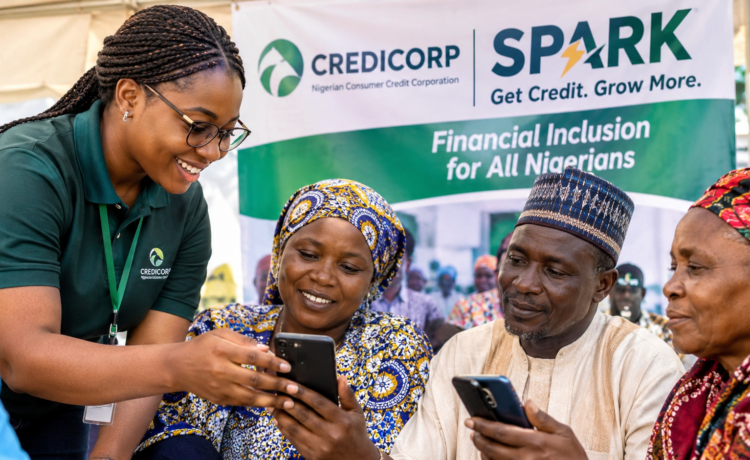
The Nigerian Consumer Credit Corporation (CREDICORP) has extended access to consumer loans to 4,811 vulnerable Nigerians without smartphones through its USSD-based mass credit platform, known as SPARK.
The initiative is aimed at bringing more low-income earners into Nigeria’s formal credit system by making it possible for people without smartphones to access borrowing opportunities.
The beneficiaries received instant entry-level credit through the platform, including credit assessment, during the corporation’s CREDICORP for All event.
The intervention is designed to address the difficulties faced by Nigerians who cannot use conventional digital lending services because they do not own smartphones or have limited access to formal financial services.
By using Unstructured Supplementary Service Data (USSD) technology, the programme provides an alternative channel through which eligible individuals can access credit using basic mobile phones.
CREDICORP said the initiative would help vulnerable Nigerians obtain affordable credit instead of depending on predatory lenders or remaining excluded from borrowing opportunities.
SPARK Targets Nigerians Excluded From Digital Lending
Access to consumer credit remains a challenge for many Nigerians, particularly low-income earners and people who operate outside the formal financial system.
Although digital lending platforms have expanded access to loans, many of these services depend on smartphone applications, internet access and digital registration processes.
This creates difficulties for people who use basic mobile phones or have limited access to reliable internet services.
The SPARK platform is intended to bridge this gap by providing a USSD-based route to credit access.
USSD technology allows mobile phone users to interact with services through short codes without requiring an internet connection or smartphone application.
For low-income earners, this approach could make it easier to begin accessing formal credit services, subject to the platform’s eligibility and assessment requirements.
The initiative also reflects the importance of developing financial services that consider the needs of people who are often left out of technology-driven lending systems.
CREDICORP Seeks to Reduce Dependence on Predatory Lenders
Explaining the need for the intervention, CREDICORP said vulnerable Nigerians had traditionally faced two difficult choices when they needed credit.
According to the corporation, they either had to go without loans or turn to lenders who charged exploitative interest rates and imposed unfavourable borrowing conditions.
This situation can expose low-income households to financial difficulties, particularly when they need money for essential purchases, emergencies or other important expenses.
Informal lenders may provide quick access to money, but borrowers can face high repayment demands and limited consumer protection.
By expanding access to formal credit, CREDICORP hopes to provide an alternative that gives more Nigerians an opportunity to borrow under clearer and more structured conditions.
Affordable consumer credit can also help individuals spread the cost of important purchases rather than having to pay the full amount immediately.
However, access to loans must be accompanied by responsible lending practices, transparent repayment terms and proper consumer education to prevent borrowers from accumulating debts they cannot repay.
Oyo and Kebbi Next for the Mass Credit Initiative
CREDICORP disclosed that Oyo and Kebbi states would be the next locations for its mass credit initiative.
The planned expansion indicates that the corporation intends to extend the programme beyond its initial beneficiaries and reach more Nigerians across different parts of the country.
Taking the initiative to additional states could help identify people who have limited access to conventional lending services and provide them with opportunities to enter the formal credit market.
The expansion may also improve awareness of consumer credit and encourage more eligible Nigerians to explore regulated borrowing options.
For the programme to achieve its objectives, however, its reach will need to be supported by effective communication, accessible registration processes and clear information about loan eligibility and repayment obligations.
What the Initiative Means for Financial Inclusion
The expansion of credit access through basic mobile phones could contribute to broader financial inclusion in Nigeria.
Financial inclusion involves ensuring that individuals and businesses can access useful and affordable financial services, including payments, savings, insurance and credit.
People without smartphones or access to traditional banking services are often among those who face the greatest barriers to formal financial products.
A USSD-based platform provides an opportunity to reach some of these individuals without requiring them to purchase more expensive devices or depend on constant internet connectivity.
The initiative could also help eligible borrowers establish a relationship with formal credit providers, depending on the credit assessment and reporting arrangements involved.
For the wider economy, improved access to responsible consumer credit may support household purchasing power and increase participation in the formal financial system.
Nevertheless, the success of the programme will depend on how affordable the loans are, the transparency of their terms and the ability of borrowers to repay without falling into financial hardship.
CREDICORP’s intervention therefore represents an effort to address a major gap in Nigeria’s consumer credit market.
With 4,811 Nigerians already reached through the SPARK platform and Oyo and Kebbi identified as the next locations, the corporation is seeking to make formal borrowing more accessible to people who have traditionally been excluded from digital lending services.