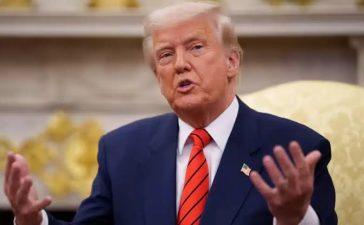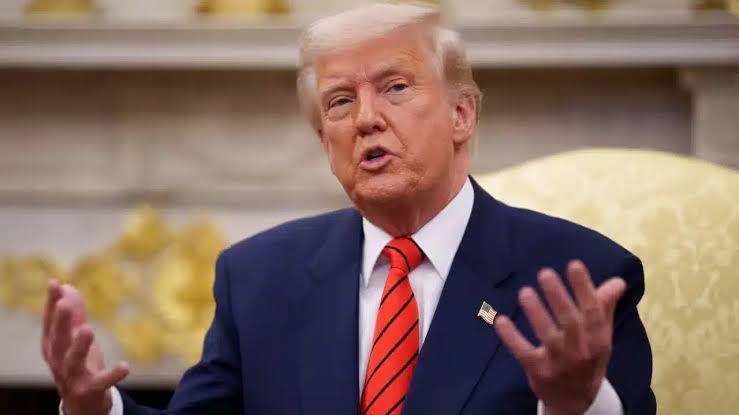
The Democratic Party’s sweeping victory in the 2026 United States midterm elections has created a new political environment in Washington, raising questions about the future of President Donald Trump’s legislative agenda.
Democrats secured majorities in both the House of Representatives and the Senate, ending the Republican Party’s control of Congress.
The outcome represents a significant setback for the president because congressional support is important for advancing legislation, approving government spending and implementing major policy proposals.
According to the Associated Press report published on November 4, the results reflected widespread voter dissatisfaction with economic conditions, the ongoing conflict involving Iran and concerns about government accountability.
The election has therefore become an important political turning point for the Trump administration.
With Democrats controlling both chambers, the president is expected to face increased opposition to some of his proposals.
Congress plays a central role in the United States political system. It is responsible for passing federal legislation, approving budgets and conducting oversight of the executive branch.
The House of Representatives has particular importance in initiating spending and revenue legislation, while the Senate participates in confirming senior government appointments and approving treaties.
Control of both chambers provides Democrats with greater opportunities to influence the legislative process.
One major area of attention is the Democratic Party’s proposed agenda.
Following the election, Democratic leaders indicated that they intended to focus on reducing the cost of living, reversing certain Republican cuts to health programmes and investigating the administration.
These priorities reflect issues that featured prominently during the election campaign.
The cost of living remains an important concern for American households, particularly as energy prices and other expenses affect family budgets.
The conflict involving Iran also played a significant role in the political debate.
Trump acknowledged that the eight-month conflict and the resulting increase in fuel prices contributed to the Republican Party’s poor electoral performance.
The president maintained that his decision to pursue military action was justified by national security concerns, but his comments highlighted the domestic economic consequences of the conflict.
Vice President JD Vance also acknowledged the war’s impact on the election outcome.
Another important issue is congressional oversight.
With Democrats controlling both chambers, lawmakers could increase investigations into decisions taken by the administration.
These investigations may focus on government spending, executive actions and the handling of major national and international issues.
Democratic leaders have also discussed the possibility of impeachment proceedings. However, any such process would face significant political and constitutional requirements.
Impeachment by the House does not automatically result in removal from office. Removal requires a separate conviction by the Senate with the constitutionally required supermajority.
The election results have also raised questions about Republican leadership.
The Associated Press reported that Republican lawmakers were facing a period of internal reassessment following the losses.
The political future of House leadership and the party’s approach to working with Democrats are expected to attract considerable attention.
Despite the Democratic victory, the president retains executive authority and can continue implementing policies within the powers of his office.
However, the loss of congressional control could make it more difficult to secure legislative approval for new proposals.
The possibility of disagreements over federal spending also raises concerns about government funding and the risk of a shutdown if lawmakers fail to reach an agreement.
For businesses and investors, political uncertainty can affect expectations surrounding taxation, regulation, government contracts and public spending.
International governments will also be monitoring developments because US domestic politics can influence foreign policy, military commitments and trade relationships.
The incoming Congress is expected to face pressure to address economic concerns while managing disagreements with the White House.
For Democrats, the victory creates an opportunity to demonstrate that they can translate electoral support into practical policy outcomes.
For Republicans, the result presents a challenge to reassess their political strategy ahead of future elections.
Ultimately, the 2026 midterm elections have significantly altered the balance of political power in Washington.
The ability of both parties to cooperate or manage their disagreements will influence the effectiveness of the federal government during the remaining period of Trump’s presidency.