The African Union (AU) Peace and Security Council has reviewed the implementation of its Post-Conflict Reconstruction and Development (PCRD) Policy, marking 20 years since the adoption of the framework designed to support African countries emerging from conflict.
The review provides an opportunity for continental and regional institutions to examine the progress made in rebuilding countries affected by political instability, armed conflicts and other forms of insecurity. It also brings renewed attention to the challenges of restoring peace, strengthening government institutions and supporting communities affected by violence.
According to a report published by The Guardian Nigeria on Thursday, November 5, 2026, the review involved regional institutions and development partners examining efforts to support countries transitioning from conflict to stability.
The African Union’s Post-Conflict Reconstruction and Development Policy was established to provide a framework for addressing the political, security, economic and social problems that often remain after armed conflicts have ended.
The policy recognises that ending fighting does not automatically restore stability. Countries emerging from conflict frequently face damaged infrastructure, weakened public institutions, unemployment, displacement and a lack of confidence in government.
These challenges can make recovery difficult, particularly where communities have experienced prolonged violence and the destruction of essential public facilities.
The AU framework therefore provides a basis for coordinating reconstruction activities, supporting national institutions and encouraging cooperation among governments, regional organisations and international development partners.
One important aspect of the review is the involvement of Regional Economic Communities. These organisations play significant roles in addressing security and development challenges across their respective regions.
Regional cooperation is important because conflicts rarely affect only the countries where they begin. Insecurity can spread across borders through refugee movements, illegal arms trafficking, organised crime and disruptions to trade.
For this reason, African countries increasingly require coordinated approaches to conflict prevention, peacebuilding and economic recovery.
The review also highlights the importance of ensuring that reconstruction programmes respond to the actual needs of affected communities.
Restoring government buildings and public infrastructure is important, but lasting recovery also requires employment opportunities, access to education, functioning healthcare facilities and the protection of citizens’ rights.
Women, young people and displaced populations also need to be included in reconstruction programmes because they are often among the groups most affected by conflict.
Another important consideration is the relationship between peace and economic development. Countries experiencing prolonged instability often struggle to attract private investment, maintain productive economic activities and generate sufficient government revenue.
Rebuilding infrastructure and restoring public confidence can help create conditions for businesses to operate and communities to recover.
However, reconstruction programmes require adequate financing, effective coordination and transparent management of resources. Without these elements, development projects may fail to produce meaningful improvements in people’s lives.
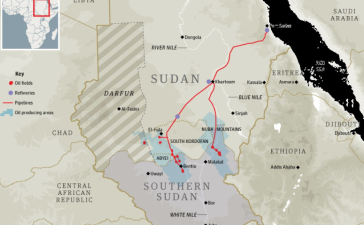
The African Union’s review comes at a time when several parts of the continent continue to experience serious security challenges. Conflicts in Sudan, the Sahel and other affected regions demonstrate the importance of combining security operations with long-term political and economic solutions.
Although the review marks an important institutional milestone, the available report did not provide detailed country-by-country progress figures or specific new commitments announced during the session.
This means the practical impact of the exercise will depend on the recommendations that emerge and how governments and regional institutions implement them.
Ultimately, the 20-year review presents an opportunity for African institutions to assess whether existing reconstruction strategies are producing sustainable results.
For countries emerging from conflict, lasting peace requires more than the absence of fighting. It requires functioning institutions, economic opportunities, social inclusion and public confidence.
The success of the African Union’s framework will therefore depend on its ability to translate policy discussions into practical improvements for communities across the continent.