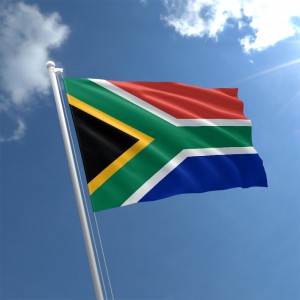
South Africans went to the polls on Wednesday, November 4, 2026, for local government elections that could shape the administration of municipalities across the country.
The elections provide voters with an opportunity to choose local representatives responsible for overseeing municipal services, including water supply, electricity distribution, sanitation, waste management and local infrastructure.
The exercise comes at a time when service delivery remains one of the most important concerns for many South African communities.
President Cyril Ramaphosa had earlier declared November 4 a public holiday to allow registered voters to participate in the elections.
In an official statement issued on September 15, 2026, the South African government confirmed the date and encouraged citizens to exercise their democratic rights.
The government also reminded voters that they could only cast their ballots at polling stations in the wards where they were registered.
Local government elections are particularly important because municipal authorities have direct responsibilities that affect people’s everyday lives.
Unlike national elections, which determine the composition of parliament and the national government, local elections influence who manages councils and makes decisions about services within individual communities.
Electricity supply has remained a major concern in South Africa. Although power generation and distribution are influenced by national institutions, municipalities also play important roles in electricity distribution and the maintenance of local networks.
Water supply is another important issue. Communities in different parts of the country have experienced interruptions, ageing infrastructure and difficulties maintaining reliable distribution systems.
These challenges have increased pressure on municipal administrations to improve planning, maintenance and accountability.
Poor road conditions, inadequate sanitation, waste collection problems and deteriorating public facilities are also among the issues that influence residents’ opinions about local government performance.
Unemployment and the rising cost of living have further increased public expectations.
For many households, municipal services are closely connected to economic opportunities. Reliable electricity allows businesses to operate, while functional roads and water systems support commercial activities and improve living conditions.
Small businesses are particularly vulnerable when electricity and water supplies are unreliable. Restaurants, manufacturing operators, retailers and service providers may experience higher operating costs when they are forced to depend on alternative arrangements.
Political parties therefore faced pressure to explain how they would improve municipal performance and restore public confidence.
The ruling African National Congress has faced growing competition from opposition parties in recent years, with voters increasingly assessing political organisations based on their ability to address economic and service delivery problems.
The elections also provide an important test of the country’s political environment as parties compete for control of local councils.
However, the outcome of local government elections cannot be judged only by the national performance of political parties. Municipal results often vary significantly because voters respond to local conditions, candidate credibility and the performance of individual councils.
The importance of the elections also extends to democratic participation.
Local councils provide a direct link between residents and government institutions. Citizens can use elections to reward administrations that perform well or replace representatives they believe have failed to meet their responsibilities.
South Africa’s government had called on registered voters to participate, stressing that local representatives play an important role in determining service delivery within communities.
The elections are therefore more than a political contest. They are an opportunity for citizens to influence how their communities are governed.
While the voting exercise has taken place, the final political implications depend on the certified results and the ability of elected representatives to form stable administrations.
For the incoming municipal leadership, the challenge will be to turn campaign promises into measurable improvements.
Residents will expect better access to clean water, reliable electricity, functioning roads and transparent management of public funds.
Ultimately, the success of local government will be measured not simply by election victories but by the quality of services delivered to communities.
Source: South African Government, September 15, 2026; official election-day announcement.