The Federal Government has defended its proposed $21.7 billion external borrowing plan, saying the funds are intended to finance infrastructure and other critical sectors to stimulate economic growth, improve productivity and raise living standards.
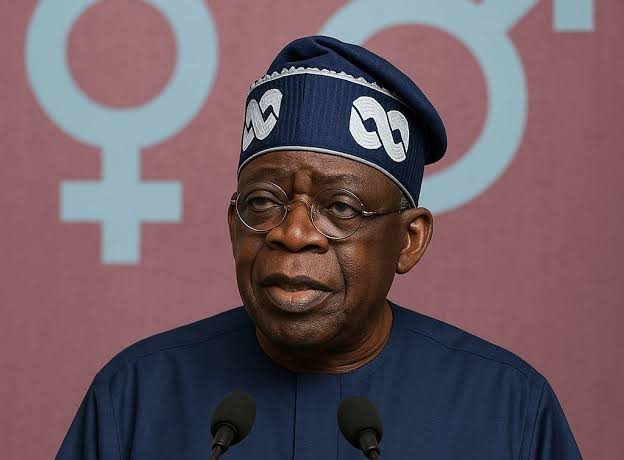
The Minister of Finance and Coordinating Minister of the Economy, Taiwo Oyedele, gave the explanation on Wednesday, October 28, 2026, while briefing State House correspondents after the Federal Executive Council meeting presided over by President Bola Tinubu at the Presidential Villa in Abuja.
Oyedele said the proposed financing should be assessed based on the assets it is expected to create and the economic returns those investments could generate, rather than being viewed solely as an increase in the country’s debt burden.
His comments followed criticism of the borrowing proposal by former Vice President Atiku Abubakar and Peter Obi, a presidential candidate in the 2027 election.
The government has maintained that the financing is intended for development projects rather than routine consumption spending.
Government Says Proposal Is Not an Immediate Loan Drawdown
Oyedele stressed that the $21.7 billion figure represents a proposed financing plan and does not mean the government has already borrowed the entire amount.
The proposal comprises $20.52 billion and approximately €1.045 billion in external financing, converted into a combined dollar equivalent of about $21.7 billion.
According to the minister, the projects under the programme are expected to be implemented over an average period of five years.
He explained that the government intends to use the financing to develop productive assets that could contribute to economic activity over the long term.
The distinction is important because the proposal still involves external borrowing that requires the relevant approvals and financing arrangements. The amount ultimately drawn down will depend on the projects, lenders and terms approved.
President Tinubu had requested the National Assembly’s approval for the proposed external borrowing programme to support projects and programmes across several sectors.
The proposal covers transportation, security, healthcare, agriculture, energy, digital infrastructure, education, social protection and other development priorities.
Transportation Accounts for $10.6bn
Transportation infrastructure represents the largest identified component of the proposed financing plan, with approximately $10.6 billion earmarked for relevant projects.
The projects include sections of the Lagos–Calabar Coastal Highway, the Sokoto–Badagry Highway and the Kano–Kaduna rail corridor.
The government says investments in roads and rail infrastructure could improve connectivity, reduce transport costs and support the movement of people and goods.
Better transport links can also help businesses access markets and connect agricultural production areas with processing centres and distribution networks.
However, the economic benefits will depend on project delivery, maintenance, effective procurement and the extent to which the infrastructure addresses existing transport bottlenecks.
The government will also need to ensure that the costs of financing and maintaining the projects remain manageable.
Government Identifies Development Financing Sources
Oyedele said the government expects approximately $7.9 billion of the proposed package to come from multilateral and bilateral development partners.
The World Bank is expected to account for a substantial portion, including a proposed $5 billion component with an average interest rate of approximately 2.1 per cent, according to the minister.
The government is also considering other sources of financing, including regional development institutions, export credit agencies and commercial lenders.
The proposed package includes financing for projects involving state governments and public agencies, meaning the entire amount is not intended exclusively for direct Federal Government projects.
Oyedele explained that the Federal Government serves as an interface for external borrowing involving different levels of government and relevant institutions.
The financing terms will be important in determining the programme’s overall cost. Interest rates, repayment periods, currency movements and other contractual conditions can affect the amount Nigeria ultimately pays.
Concessional financing may reduce borrowing costs compared with more expensive commercial alternatives, although the specific terms of each facility must be assessed individually.
Critics Raise Concerns Over Additional Borrowing
The proposed financing has attracted criticism from political figures, including Atiku Abubakar and Peter Obi, amid broader concerns about Nigeria’s debt obligations and the use of borrowed funds.
Their objections form part of the wider debate over how the government should finance infrastructure and development while managing fiscal pressures.
The administration has responded by arguing that the economic value of the projects should be considered alongside the cost of financing them.
Nevertheless, describing a loan programme as an investment does not remove the repayment obligations associated with external borrowing. The projects must deliver sufficient economic and social benefits to justify their costs.
Public scrutiny of the borrowing plan will therefore remain important, particularly regarding project selection, procurement, disbursement, implementation and the reporting of results.
Transparency and Project Delivery Will Be Key
The proposed $21.7 billion financing programme could support infrastructure development across several sectors if the funds are secured and projects are implemented effectively.
However, its long-term impact will depend on transparent financial management, appropriate borrowing terms and the ability of completed projects to deliver measurable benefits.
The National Assembly’s consideration of the proposal will be an important part of the approval process.
For Nigerians, key issues will include the projects selected for funding, the cost of repayment, the effect on public finances and whether the investments improve transport, electricity, healthcare, education and other essential services.
As the debate continues, the government will need to demonstrate how the proposed financing will be used and how its economic benefits will be measured.