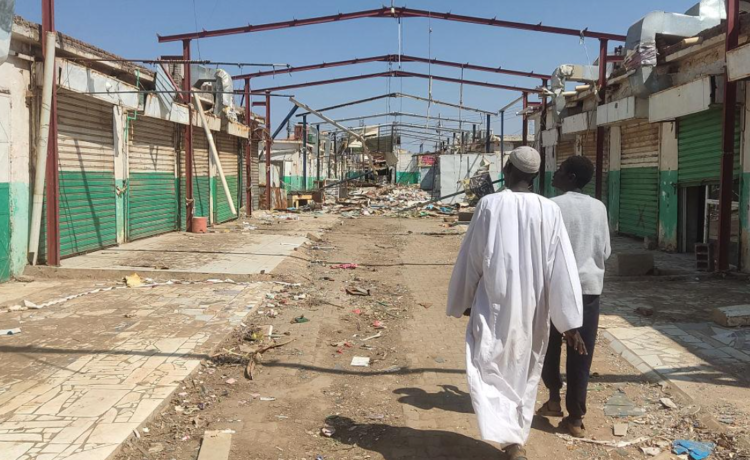
A deadly drone attack on a market in the disputed Abyei region along the Sudan–South Sudan border has intensified concerns about civilian safety as Sudan’s conflict continues to produce devastating humanitarian consequences.
South Sudanese officials said the attack killed at least 153 people at Amiet Market, according to reporting by Reuters and Al Jazeera. The strike was described as one of the deadliest reported attacks affecting civilians in the wider conflict.
The incident has drawn attention to the risks faced by traders, shoppers and other residents who depend on public markets for their livelihoods and access to essential goods.
What happened at the market?
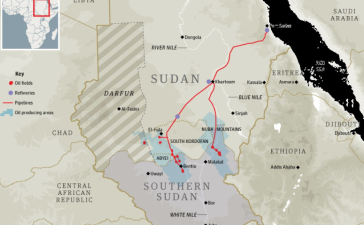
According to reports published on October 20 and 21, the attack struck Amiet Market in the disputed Abyei region. The area’s caretaker information minister attributed responsibility to Sudan’s military.
That attribution was a claim by local officials and should be distinguished from an independently established finding about responsibility.
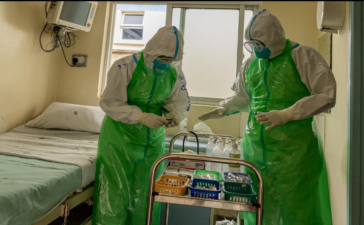
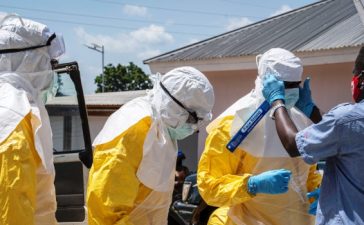
The reported death toll rose substantially as information emerged from the scene. Medical workers were also reported to be treating injured people, including patients with serious burns.
Markets often bring together large numbers of people from surrounding communities. An attack in such a location can therefore cause extensive casualties, destroy property and disrupt access to food, household supplies and other necessities.
The incident also demonstrates how civilians can remain exposed to danger even when they are not directly participating in fighting.
Sudan’s prolonged conflict
Sudan has been affected by a devastating war since April 2023, when fighting broke out between the Sudanese Armed Forces and the paramilitary Rapid Support Forces.
The conflict has caused widespread displacement, damage to infrastructure and severe difficulties for humanitarian organisations attempting to reach people in need.
Fighting has also involved local armed groups and affected areas beyond the country’s main population centres. The reported attack in Abyei illustrates the wider regional consequences of instability in Sudan.
The disputed status of Abyei adds another layer of complexity. The region lies between Sudan and South Sudan and has experienced longstanding political and security tensions.
Humanitarian consequences
Civilian deaths are only one part of the damage caused by attacks on markets. Survivors may require emergency medical treatment, while families can lose their main income earners and traders may lose the goods they rely on to support themselves.
Damage to commercial areas can also interrupt local supply chains. When markets close or transport routes become unsafe, communities may struggle to obtain food and other essential products.
Humanitarian agencies face additional challenges when insecurity prevents medical teams, ambulances and relief supplies from reaching affected communities.
Calls for civilian protection
International humanitarian law requires parties to an armed conflict to distinguish between civilians and combatants and to take precautions to protect civilian populations.
Attacks directed at civilians, or attacks that fail to comply with applicable legal requirements, raise serious legal and humanitarian concerns. A full legal assessment of a particular incident depends on verified evidence about the circumstances and those responsible.
Independent investigations and access for humanitarian organisations are important for establishing facts, assisting survivors and supporting accountability.
The reported attack at Amiet Market underlines the severe human cost of Sudan’s continuing war and the vulnerability of communities in border regions. Protecting civilians, allowing humanitarian access and establishing responsibility for attacks are essential steps toward reducing further suffering.