African health authorities are investigating whether Nigeria’s recently confirmed Ebola case and a fatal infection in Kenya could be connected through possible contact at Uganda’s Entebbe International Airport earlier this month.
The investigation comes as countries across the continent strengthen disease surveillance and contact tracing in response to an outbreak of Ebola Bundibugyo virus disease that began in the Democratic Republic of the Congo (DRC).
According to a report published by Nigeria’s Premium Times on October 23, the Africa Centres for Disease Control and Prevention (Africa CDC) is examining whether the two patients may have shared facilities, equipment or another form of exposure while passing through Entebbe on October 3.
Officials have emphasised that no direct connection between the two infections has been established. The investigation is examining possible explanations rather than confirming that transmission occurred at the airport.
Nigeria confirmed an imported case of Ebola Bundibugyo virus disease on October 20, 2026, prompting the activation of emergency public health measures.
The World Health Organization (WHO) said the patient was a woman who had recently travelled from Uganda to Nigeria. She developed symptoms on October 7 and sought medical care at a private health facility in Abuja on October 11.
Laboratory testing confirmed the infection on October 20. The patient was placed in isolation and received medical care while health authorities began investigating her travel history and potential exposure to other people.
By October 22, Nigeria’s government said it had found no evidence that the infection had spread into the wider community. The authorities described the case as isolated and urged the public to remain calm while surveillance and contact tracing continued.
The Nigeria Centre for Disease Control and Prevention (NCDC) activated its incident management system to coordinate the response, working with the WHO and other partners.
According to the WHO, 44 contacts had been identified and were being monitored as officials worked to establish the likely source of infection and identify anyone else who might have been exposed.
Why Investigators Are Examining Entebbe Airport
The possible link between the Nigerian and Kenyan infections centres on the patients’ reported movements through Uganda.
According to Africa CDC information reported by Premium Times, both individuals travelled through Entebbe International Airport on October 3.
The Nigerian patient reportedly returned from a stay in Uganda, while the Kenyan patient had travelled from the Democratic Republic of the Congo through Uganda before reaching Kenya.
Investigators are examining whether their movements overlapped in a way that could have resulted in exposure. This includes considering possible contact with shared facilities or equipment.
However, travelling through the same airport on the same day does not establish that two individuals met or transmitted an infection to each other.
Health officials are also examining travel histories and other epidemiological information to determine where the Nigerian patient may have contracted the virus.
The investigation is complicated by differing accounts of the patient’s travel history. Some reports have suggested a possible journey to eastern DRC, but health authorities have said that they have not received verified information confirming that she visited the country.
Genomic sequencing is also being undertaken to help determine whether the virus detected in Nigeria is related to infections identified elsewhere in the outbreak.
Kenya Reports Nine Cases
Kenya has reported nine confirmed cases linked to an imported infection, including one death, according to information available on October 22.
The Kenyan outbreak has increased concern among regional public health authorities because infected travellers can move across borders before symptoms are recognised or the disease is confirmed.
The WHO and other health organisations have therefore called on countries to maintain strong surveillance, improve laboratory readiness and ensure that suspected cases can be identified and isolated quickly.
The Democratic Republic of the Congo remains at the centre of the wider outbreak. Data reported by the European Centre for Disease Prevention and Control on October 22 recorded 9,704 confirmed cases and 4,687 related deaths in the DRC, using information available through October 20.
Those figures demonstrate the scale of the public health emergency and the importance of coordinating investigations across national borders.
Public Health Measures and What People Should Know
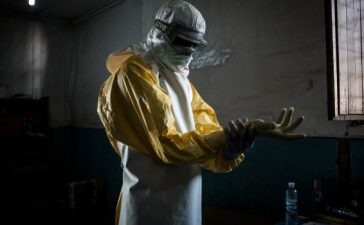
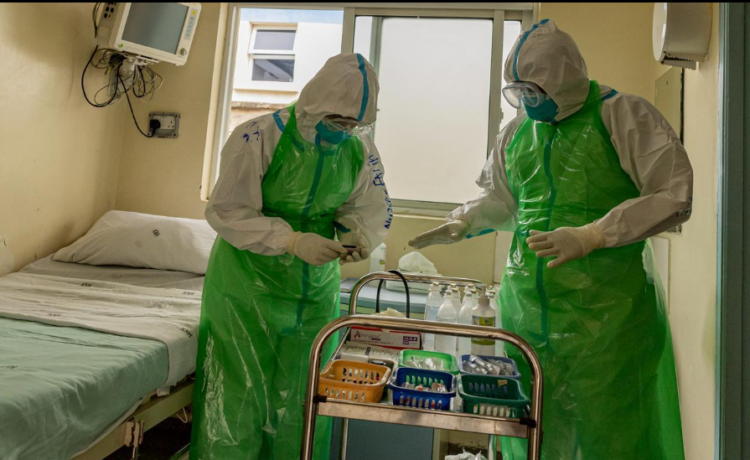
Health authorities are prioritising early detection, contact tracing, infection prevention and control, and the provision of protective equipment to health workers.
In Nigeria, the monitoring of identified contacts is intended to help officials detect symptoms promptly and reduce the risk of further transmission if additional infections are identified.
Members of the public should follow official guidance from the NCDC and the Ministry of Health rather than rely on unverified claims circulating on social media.
Ebola is a serious viral disease, but a confirmed case does not automatically mean that widespread community transmission has occurred. The risks depend on the circumstances of exposure, the speed of detection and the effectiveness of public health measures.
The WHO has advised against general restrictions on travel to or trade with affected countries, while encouraging governments to maintain appropriate surveillance and preparedness.
Regional Cooperation Remains Critical
The investigation involving Nigeria and Kenya highlights the importance of sharing information quickly when infectious diseases cross international borders.
A suspected connection involving a transit airport can require authorities in several countries to compare travel records, interview contacts, analyse laboratory results and reconstruct possible exposure routes.
For Nigeria, the immediate priority is to keep the confirmed infection contained and monitor contacts. For Kenya and other countries affected by the wider outbreak, continued vigilance remains essential.
Investigators have not yet established whether the Nigerian and Kenyan cases are directly connected. Their findings will help clarify the route of infection and guide future response measures.