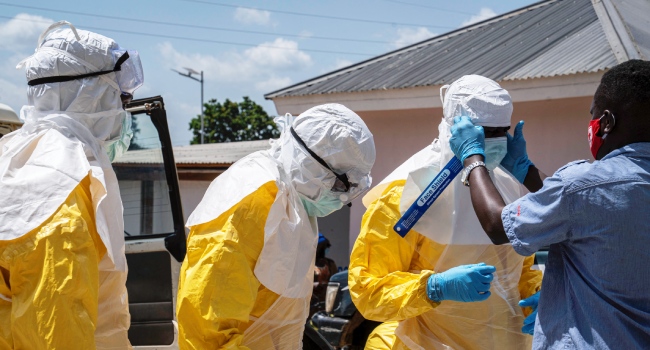
Concerns over public health preparedness have increased following reports of an Ebola case in Nigeria, after the patient reportedly experienced a lengthy delay before receiving the correct diagnosis. The development has drawn attention to the importance of early detection, effective surveillance and coordinated responses as an Ebola outbreak continues to affect several African countries.
According to Reuters, the patient was initially treated for malaria before being tested for Ebola. The delay has raised concerns about how quickly suspected cases can be identified, isolated and investigated when symptoms resemble those of more common illnesses.
Delayed diagnosis raises questions
The reported case involved a Ugandan-born woman who had travelled from Uganda and arrived in Abuja on October 3. She began experiencing symptoms shortly after arrival and reportedly visited multiple healthcare facilities before testing positive on October 19.
The period between the onset of symptoms and confirmation created additional work for public health officials, particularly in identifying people who may have had contact with the patient.
Reuters reported that Nigerian authorities had identified 44 contacts at the time of its report, although that number could increase as investigations continue.
Contact tracing is a central part of controlling Ebola because it helps health workers identify exposed individuals, monitor their health and quickly isolate suspected cases. The effectiveness of this process depends on timely information, cooperation from affected individuals and sufficient resources for public health teams.
A wider African health challenge
The outbreak has affected multiple African countries, increasing the need for cooperation between national health authorities, the Africa Centres for Disease Control and Prevention and the World Health Organization.
Cross-border movement makes surveillance especially important. Travellers may develop symptoms after leaving an affected area, meaning that health authorities must be prepared to identify possible infections without creating unnecessary disruption to travel and trade.
The reported case also highlights the difficulty of distinguishing Ebola from other illnesses during the early stages of infection. Fever and other initial symptoms can resemble malaria and several other common conditions, making a high level of clinical suspicion important when patients have relevant travel or exposure histories.
What authorities need to do
Public health experts generally emphasise rapid testing, isolation of suspected cases, contact tracing, infection prevention in healthcare facilities and clear communication with the public.
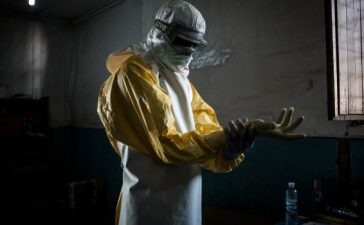
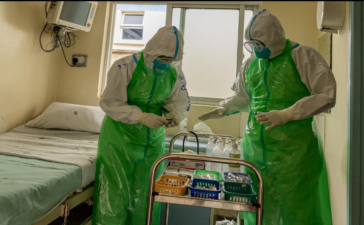
Healthcare workers also need appropriate protective equipment and practical guidance for identifying patients who may require further testing. Hospitals must maintain procedures that reduce the risk of infections spreading while patients receive treatment.
Public communication is equally important. Accurate information can help people understand when to seek medical attention, what symptoms require assessment and why public health teams may contact them after a possible exposure.
People should follow guidance from official health authorities rather than relying on rumours or unverified social media claims.
Implications for Nigeria and Africa
For Nigeria, the incident underlines the importance of maintaining disease surveillance even when an outbreak appears to be occurring elsewhere. Strong border screening can contribute to preparedness, but it cannot replace surveillance in hospitals and communities.
The case also reinforces the importance of investment in diagnostic capacity, trained personnel and emergency response systems. Such investments can support responses to many infectious diseases, not only Ebola.
The reported Ebola case has renewed attention to early diagnosis and preparedness across Africa. As authorities investigate potential contacts and monitor developments, the priority remains limiting further transmission through evidence-based public health measures and cooperation between countries.