Global oil markets have experienced renewed volatility after Brent crude prices rose above $111 per barrel on Tuesday, 20 October 2026, as escalating geopolitical tensions increased concerns about the security of international energy supplies.
The price movement has drawn attention to the vulnerability of oil markets to conflict, shipping disruptions and uncertainty over future production and deliveries.
According to Punch Newspapers, Brent crude later retreated to around $109 per barrel after rising above $111. The movement demonstrates how quickly oil prices can change as traders react to new information and reassess the risks facing the market.
The price increase came amid concerns about a possible escalation in tensions involving the United States and Iran. Reports also highlighted risks to shipping and energy infrastructure in the wider Middle East.
Oil prices are influenced by both actual supply disruptions and expectations about future availability. Even before a major interruption occurs, the possibility of reduced deliveries can encourage traders to bid prices higher.
Why the Middle East matters to oil markets
The Middle East remains central to global energy supply because several major producers operate in the region and significant volumes of crude oil pass through important maritime routes.
The Strait of Hormuz is particularly important because it connects the Persian Gulf with international shipping routes. Disruptions in or around the strait can affect the movement of oil and other energy products to markets worldwide.
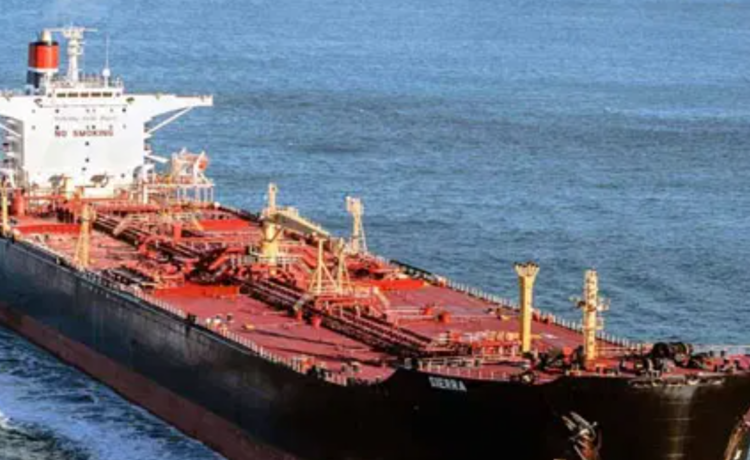
Investors’ Business Daily reported that geopolitical tensions and attacks on tankers had contributed to the recent rise in prices. Its report described Brent crude futures reaching levels above $111 per barrel and West Texas Intermediate, the US benchmark, briefly moving above $110.
Such developments can create concern among importers, refiners and transport companies that depend on predictable deliveries.
If shipping becomes more expensive or vessels are forced to take alternative routes, the additional costs may eventually affect the prices paid by businesses and consumers.
However, the extent of any lasting impact depends on how long disruptions continue, whether alternative supplies are available and how producers respond.
International Energy Agency warns of prolonged uncertainty
The International Energy Agency has also warned that global energy markets may not return to normal conditions in 2027.
Punch reported that IEA Executive Director Fatih Birol expressed concern about the outlook, citing overlapping crises and continuing uncertainty in the Middle East.
Such warnings matter because energy markets operate on expectations as well as current production. If companies believe supply conditions will remain unstable, they may delay investments, increase inventory planning or pass higher costs through to customers.
A prolonged period of elevated oil prices could also influence inflation. Fuel costs affect road transport, aviation, shipping, agriculture and manufacturing. Higher energy costs can therefore spread beyond petrol stations and influence the prices of a wide range of goods and services.
Central banks may also have to consider the inflationary impact of energy prices when making monetary policy decisions.
Consequences for oil-importing countries
Countries that rely heavily on imported petroleum products are particularly exposed to rising crude prices.
Higher international prices can increase the cost of importing refined fuels and place pressure on foreign-exchange reserves. Governments may face difficult decisions about fuel pricing, subsidies and support for vulnerable households.
Businesses can also experience rising operating expenses, especially in sectors where fuel is a major input. Transport companies may pay more to move goods, airlines may face higher fuel bills, and manufacturers may have to absorb or pass on additional costs.
Consumers can feel the effects through higher transport fares, delivery charges and prices for goods that require energy-intensive production.
The impact varies from country to country depending on exchange rates, domestic refining capacity, tax policies and the availability of alternative energy sources.
What higher prices mean for oil producers
Higher crude prices can provide increased revenue for oil-producing countries, particularly when production volumes remain stable and the additional income is collected by governments or energy companies.
However, the benefit is not automatic. Producers may face higher insurance costs, security risks, financing expenses or difficulties transporting their output.
For countries with substantial oil exports, stronger prices can improve export earnings and government revenue. Yet rising domestic fuel costs can still affect households and businesses, especially where imported refined products remain important.
Nigeria, for example, must consider both its position as an oil producer and the cost of meeting domestic energy needs.
The relationship between international crude prices and domestic fuel prices is not always immediate or uniform. Exchange rates, refining arrangements, distribution costs and local market conditions also influence what consumers pay.
Market outlook remains uncertain
Oil markets are likely to remain sensitive to geopolitical developments, production decisions and reports about shipping security.
If tensions ease and supply routes remain open, prices could retreat as fears of shortages decline. If disruptions intensify or last longer than expected, traders may continue to price in a greater risk of constrained supply.
The warning from the IEA highlights the difficulty of predicting a quick return to stable conditions.
For businesses and governments, the immediate priority is to prepare for volatility rather than assume that a brief price increase will quickly disappear.
Conclusion
Brent crude’s rise above $111 per barrel underlines the close relationship between geopolitical risk and global energy prices.
The next phase of the market will depend on developments in the Middle East, the reliability of international shipping routes and the ability of producers and consumers to adjust to changing conditions.
For households and businesses, sustained high oil prices could mean additional financial pressure. For producers, the same conditions may create opportunities for higher revenue, although operational risks remain.
The outlook will become clearer as more information emerges about supply conditions and diplomatic developments.