Public health authorities across Africa are strengthening their response to Ebola Bundibugyo following the confirmation of a case in Nigeria and reports of infections in other countries connected to the wider outbreak.
The World Health Organization reported on 20 October that Nigeria had confirmed an imported case in Abuja. The case was detected during an outbreak that began in the Democratic Republic of the Congo and has since affected multiple countries.
The development has increased the importance of coordination among national health ministries, laboratories, surveillance teams and international health organisations.
An infectious disease outbreak that crosses national borders cannot be managed effectively through isolated action alone. Countries need to exchange timely information, identify potential exposure routes and maintain communication between health facilities and border health teams.
The latest case also demonstrates why countries must remain alert even when an infection is initially detected in a traveller rather than through sustained local transmission.
Nigeria begins contact monitoring
Nigeria’s confirmation of an imported case has prompted efforts to identify and monitor people who may have been exposed.
The WHO reported that 44 contacts had been identified at the time of its announcement. The patient was receiving care in isolation, while investigators worked to establish the likely source of infection and reconstruct the patient’s travel and exposure history.
These activities are central to containing an infectious disease. A confirmed case can trigger a wider investigation that includes identifying close contacts, reviewing healthcare visits and assessing whether additional individuals require monitoring.
The process can be demanding, particularly in large cities where people travel frequently and may interact with numerous individuals during daily activities.
Public health authorities therefore need trained teams, reliable reporting systems, laboratory capacity and clear procedures for managing suspected infections.
The response must also protect the privacy of patients and contacts. Public communication should provide sufficient information to support public safety without revealing unnecessary personal details.
Cross-border cooperation is essential
The WHO’s report identifies Nigeria as the fifth country to detect Ebola Bundibugyo since the outbreak was declared in the Democratic Republic of the Congo on 15 May 2026.
This geographic spread illustrates the need for regional information-sharing. When a suspected or confirmed case involves international travel, health authorities may need to coordinate with counterparts in other countries to review potential exposure and assess whether additional public health action is required.
The investigation into Nigeria’s case highlights the importance of distinguishing between a travel route and the actual location of infection. Although the patient had travelled through Uganda, officials had not established that the infection was acquired there.
Accurate epidemiological investigations are necessary to prevent countries or communities from being wrongly blamed and to ensure that resources are directed towards genuine risks.
International health agencies can support national authorities with technical guidance, laboratory coordination, training and emergency planning. Regional cooperation also helps countries share lessons from previous outbreaks and improve the consistency of their response.
Lessons from previous Ebola emergencies
Africa has faced several serious Ebola outbreaks, including the 2014–2016 West African epidemic. That emergency demonstrated how delays in detection, weak health systems and gaps in public communication can allow infections to spread.
It also showed the value of trained community health workers, rapid laboratory testing, safe treatment procedures and effective contact tracing.
Nigeria successfully contained its 2014 Ebola outbreak after an imported case triggered an emergency response. The experience remains an important example of the benefits of early action and coordinated public health management.
However, past success cannot replace current preparedness. Different Ebola virus species may require different medical approaches, and public health teams must follow guidance specific to the strain involved.
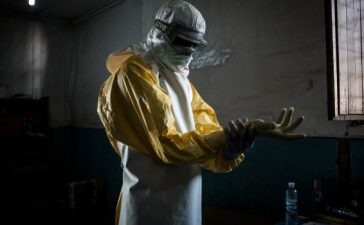
Preparedness also involves ensuring that health workers have appropriate protective equipment, that hospitals can isolate suspected cases safely and that emergency teams have access to reliable transport and communications.
Public trust matters
During an outbreak, misinformation can undermine public health measures. False claims about where an infection originated, how it spreads or which groups are responsible can create unnecessary fear and discourage people from seeking care.
Authorities must provide clear, regular updates and explain why certain measures are necessary. Communication should be understandable, culturally appropriate and available through channels that communities use.
People who believe they may have been exposed should follow official instructions and seek medical advice promptly if symptoms develop. They should not rely on unverified home remedies or social media posts as substitutes for professional care.
Healthcare workers also need the support of communities. Respectful treatment, confidentiality and transparent communication can help people cooperate with contact-tracing teams.
The role of preparedness and investment
The latest developments raise broader questions about the resources available to African health systems.
Effective outbreak response requires sustained investment in surveillance, laboratories, workforce training and emergency supplies. These systems must be maintained before an emergency begins rather than assembled only after cases are confirmed.
Countries also need to ensure that routine healthcare services continue during an outbreak. When attention and resources shift towards emergency response, patients requiring treatment for other illnesses may face delays.
Regional institutions can help countries identify gaps, coordinate assistance and promote common standards, while national governments remain responsible for implementing public health measures within their territories.
The immediate objective is to prevent additional transmission by identifying contacts, detecting potential cases early and ensuring safe medical care.
Nigeria’s investigation remains particularly important because the confirmed case has been identified in a country with a large population and extensive transport links.
The wider regional response will depend on accurate reporting, cooperation between governments and public confidence in health authorities.
Although the latest developments are concerning, coordinated action and early detection remain essential tools for controlling outbreaks and reducing their impact on communities.