Nigeria, Benin Republic and Cameroon are exploring a regional border-modernisation programme with the African Export-Import Bank, known as Afreximbank, in a move aimed at improving cross-border trade and strengthening economic cooperation.
The initiative involves the customs administrations of the three countries and is intended to address infrastructure and operational problems affecting the movement of goods across their shared trade corridors.
A report published by BusinessDay on October 18 said discussions were focused on reducing delays, improving cargo processing and supporting Nigeria’s participation in the African Continental Free Trade Area (AfCFTA).
The proposal comes as African countries continue efforts to increase trade within the continent and reduce barriers that make cross-border business expensive and time-consuming.
Infrastructure gaps hinder trade
The reported discussions identified unreliable electricity, poor connectivity, inadequate infrastructure and weak coordination among border agencies as important obstacles to efficient border operations.
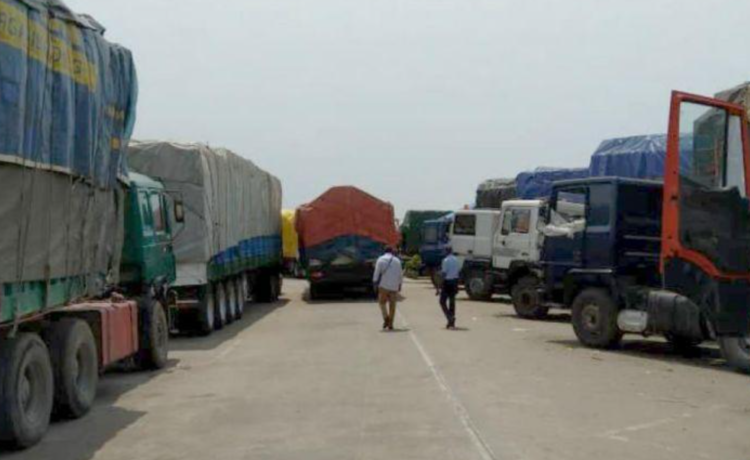
These problems can create delays for trucks carrying agricultural products, manufactured goods, industrial materials and other commercial shipments.
When cargo remains at a border for extended periods, transport operators may incur additional expenses, while traders risk losing customers or facing higher storage and handling costs.
Perishable goods are particularly vulnerable to delays because some products require careful temperature control and rapid delivery.
Businesses may ultimately pass additional expenses to consumers, contributing to higher prices for goods in local markets.
Modern border systems can help address these problems through better equipment, improved information sharing and more coordinated procedures between customs administrations.
AfCFTA and regional economic integration
The African Continental Free Trade Area seeks to increase trade among African countries by reducing tariffs on eligible goods and addressing other barriers to commerce.
However, lower tariffs alone cannot guarantee smooth trade. Businesses also need reliable transport networks, efficient customs processes, clear documentation requirements and predictable border procedures.
For countries such as Nigeria, Benin and Cameroon, stronger border cooperation could support regional supply chains and encourage businesses to explore markets beyond their domestic economies.
Nigeria has a substantial consumer market, while neighbouring countries provide important commercial links for agricultural products, manufactured goods and regional distribution.
More efficient borders could therefore benefit importers, exporters, freight operators, manufacturers and small traders.
Role of Afreximbank
Afreximbank provides financial and trade-related support intended to strengthen commerce across Africa. Its involvement in the proposed initiative could help partners assess financing requirements and identify infrastructure improvements.
However, the border-modernisation programme should not be described as a completed project or an already disbursed loan. The available reporting indicates that discussions are underway to explore the initiative.
The final scope, financing arrangements, implementation timetable and specific infrastructure investments would need to be established through subsequent agreements.
Successful implementation would also require cooperation between customs agencies and other government departments responsible for security, standards, immigration and transportation.
Potential benefits for businesses and consumers
If the initiative progresses, traders could benefit from shorter processing times and more predictable delivery schedules. Transport companies may also be able to improve vehicle utilisation by reducing the time trucks spend waiting at border posts.
For small businesses, simpler and more reliable procedures could make regional markets more accessible.
Improved border coordination may also help governments strengthen customs oversight and reduce opportunities for fraud and informal payments, provided the new systems include effective monitoring and accountability measures.
Nevertheless, infrastructure investment must be accompanied by staff training, maintenance and reliable electricity and internet services. Equipment alone will not resolve administrative problems if agencies continue to operate separately.
Conclusion
The proposed cooperation between Nigeria, Benin, Cameroon and Afreximbank highlights the importance of practical infrastructure in achieving Africa’s regional trade ambitions.
The next important steps will be to determine the programme’s financing, establish clear implementation responsibilities and measure whether the changes produce faster, more transparent border procedures.
For businesses across West and Central Africa, the potential gains could include reduced logistics costs, improved market access and stronger regional commercial relationships.