The National Assembly resumed plenary on Tuesday after its annual recess, with the proposed establishment of state police, constitutional amendments and electoral reforms expected to feature prominently as lawmakers return to legislative business.
The resumption comes as political activities intensify ahead of the 2027 general elections and the Senate and House of Representatives face several outstanding legislative issues.
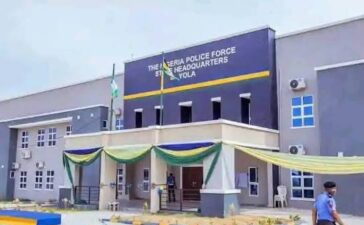
Among the major matters expected to receive attention is the proposed constitutional amendment to establish state police, an issue that has remained part of Nigeria’s wider debate over insecurity and the structure of policing.
State Police Returns to Legislative Agenda
Chairman of the Senate Committee on Media and Public Affairs, Yemi Adaramodu, said lawmakers would focus on key national matters, including insecurity and broader economic challenges.
He indicated that the constitutional amendment process, particularly proposals concerning state police, would receive attention following the resumption.
The state-police proposal would require constitutional changes because policing is currently primarily organised at the federal level.
Supporters of decentralised policing have argued that states require security structures more responsive to local conditions, while concerns raised in the longstanding debate include funding, accountability and the possibility of political misuse by state authorities.
The Rivers State House of Assembly has separately endorsed the Constitution (Sixth Alteration) Bill 2026 seeking a constitutional framework for state policing, illustrating the ongoing involvement of state legislatures in the amendment process.
Electoral Reform Ahead of 2027
Electoral matters are also expected to remain significant as political parties prepare for the 2027 elections.
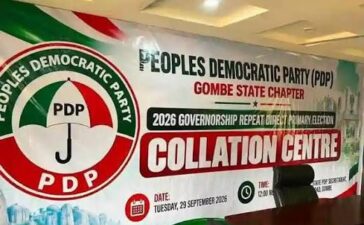
Recent litigation concerning party primaries, membership registers and candidate nominations has placed renewed attention on the legal framework governing how parties select candidates.
Lawmakers are returning at a politically sensitive period when legislative work will increasingly overlap with preparations for the next election cycle.
The National Assembly is also expected to consider other national issues, including insecurity and economic conditions.
Separately, the legislature is moving to increase public access to Nigerian laws by translating legislation into Hausa, Yoruba, Igbo and other Nigerian languages.
Executive Secretary of the National Assembly Library Trust Fund, Henry Nwawuba, disclosed the plan during the opening of the 2026 National Assembly Library Week in Abuja.
The initiative forms part of efforts to digitise parliamentary records and make legislative information more accessible to citizens.
With the 2027 election season gathering momentum, the coming legislative period will test how lawmakers balance campaigning and party activities with unresolved constitutional, security and economic matters before the National Assembly.