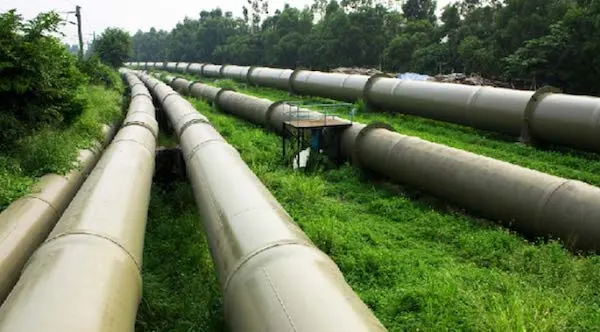
The Federal Government has linked the expansion of Nigeria’s gas sector and the development of the Ajaokuta–Kaduna–Kano and Obiafu–Obrikom–Oben gas pipelines to its broader green industrialisation agenda.
The Minister of State for Petroleum Resources (Gas), Ekperikpe Ekpo, made the declaration at the Africa Green Industrialisation Initiative Technical Workshop in Abuja.
Ekpo said reliable and affordable energy was fundamental to Africa’s industrial future.
Gas Expansion Supports Industrial Growth
The minister said Nigeria was advancing its gas agenda through several major initiatives.
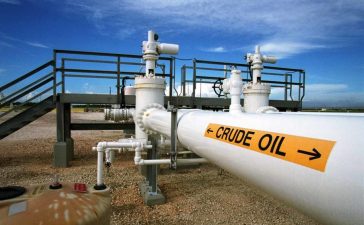
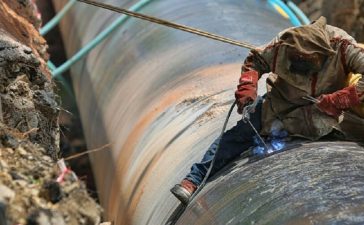
These include the Decade of Gas Initiative, the Presidential Compressed Natural Gas Initiative and infrastructure projects such as the AKK and OB3 pipelines.
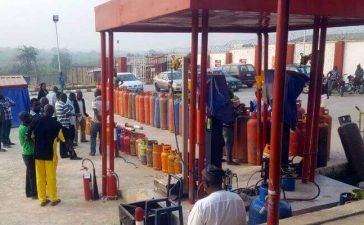
The government has linked gas development to industrialisation, power generation, transportation and household energy access.
According to Ekpo, these projects are expected to strengthen energy supply and support economic activity.
Importance of the AKK and OB3 Pipelines
The AKK pipeline is expected to improve gas supply to northern Nigeria.
It is also intended to support industries, power generation and other users along its route.
The OB3 pipeline, meanwhile, is designed to strengthen the movement of gas between major production and consumption centres.
Together, the projects form part of Nigeria’s efforts to improve gas distribution and expand domestic energy access.
Government Highlights Climate Commitments
Although the government is promoting gas expansion, Ekpo said Nigeria remained committed to reducing methane emissions.
He also highlighted the need to end routine gas flaring and decarbonise petroleum operations.
The minister’s comments reflect the challenge facing many African countries.
They must expand energy access and industrial production while also responding to climate-related concerns.
Africa Must Move Beyond Development Challenges
Ekpo urged African countries to move beyond repeatedly highlighting their development challenges.
Instead, he called for practical steps that would help the continent build competitive economies.
He said climate change, energy price volatility, supply chain disruptions and geopolitical uncertainties had created serious challenges.
However, he added that these developments had also created new opportunities for African countries.
Africa’s Resources Provide Opportunities
The minister identified Africa’s renewable energy resources, critical minerals, natural gas, agricultural potential and youthful population as major assets.
He said these resources could provide a strong foundation for green industrialisation.
However, he stressed that countries must develop the infrastructure and policies required to convert their resources into jobs and industrial output.
Balancing Energy and Sustainability
Nigeria’s gas expansion plans come as the global energy system undergoes significant changes.
Natural gas remains important to energy security and industrial development.
At the same time, countries are under increasing pressure to reduce emissions and invest in cleaner energy sources.
Nigeria’s challenge will therefore be to expand energy access while improving efficiency and reducing the environmental impact of its operations.
Outlook for Green Industrialisation
The Federal Government believes that gas infrastructure can support Nigeria’s industrial future.
However, the success of the green industrialisation agenda will depend on effective implementation, investment and coordination.
The AKK and OB3 pipelines are expected to contribute to the country’s energy ambitions.
They also form part of the wider effort to position Nigeria as a competitive industrial economy.