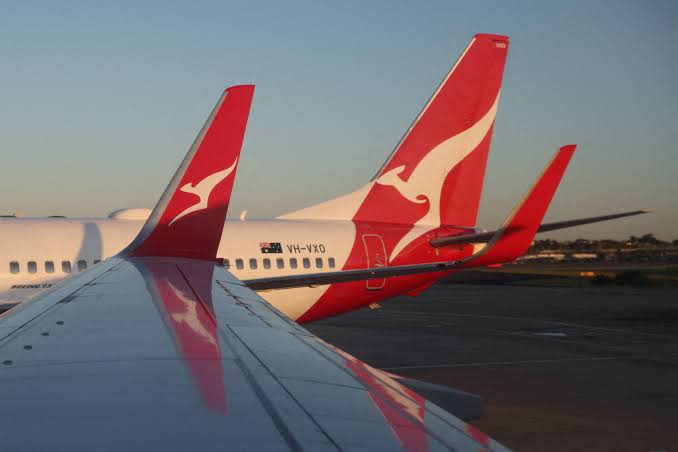
Qantas Airways has reported a rebound in demand for flights between Australia and the United States, providing a positive signal for the international aviation sector.
The renewed demand reflects the continuing recovery and expansion of long-haul international travel.
Airlines have spent recent years rebuilding networks and adjusting to changes in consumer behaviour.
The latest development suggests that demand for major international routes remains strong.
For Qantas, Australia-US services are among the strategically important parts of its international network.
Long-Haul Travel Remains Competitive
International airlines are facing intense competition.
Carriers must attract passengers while managing high operating costs.
Fuel prices, aircraft availability, labour costs and airport charges all affect airline profitability.
Long-haul routes also require significant investment.
Aircraft must operate efficiently across thousands of kilometres, while airlines need to maintain reliable schedules and strong customer service.
A rebound in demand is therefore important for airline revenue.
Business Travel Adds to Market Opportunities
International travel demand is supported by several segments.
Tourism remains a major driver.
However, business travel also plays an important role, particularly on routes connecting major global economies.
The Australia-US market serves travellers involved in technology, finance, education, entertainment and international trade.
Growing passenger demand could encourage airlines to consider capacity increases.
However, expanding operations depends on aircraft availability and operating costs.
Aviation Industry Watches Fuel Costs
Fuel remains one of the largest expenses for airlines.
Changes in global oil prices can therefore have a direct effect on profitability.
Recent movements in energy markets have added uncertainty for aviation companies.
Airlines must manage these risks while maintaining competitive ticket prices.
The industry is also dealing with increasing pressure to improve environmental performance.
Many airlines are investing in more fuel-efficient aircraft and exploring sustainable aviation fuels.
Positive Outlook for International Aviation
The rebound reported by Qantas adds to evidence that international travel remains an important growth opportunity.
Airlines are continuing to rebuild connections between major global markets.
For consumers, stronger competition could eventually create more travel options.
For airports and tourism businesses, increased international passenger numbers can generate wider economic benefits.
Hotels, restaurants and tourism operators all benefit when long-haul travel demand rises.
The Qantas update will therefore be closely watched across the aviation industry.
It suggests that passengers remain willing to travel long distances despite continuing economic uncertainty.
As airlines prepare for future growth, demand on major international routes will remain one of the key indicators of the health of the global aviation market.