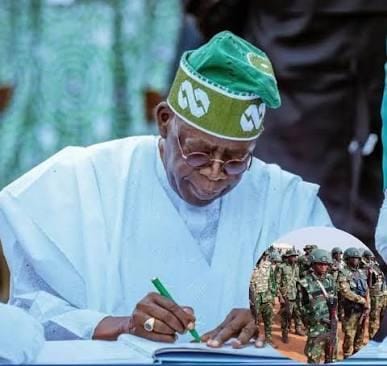
Nigeria’s political landscape has entered a new phase as campaigns for the 2027 presidential election officially begin, setting the stage for what is expected to be a closely watched contest between President Bola Tinubu and a number of opposition challengers.
The Independent National Electoral Commission (INEC) opened the campaign period on Wednesday, August 19, allowing political parties and presidential candidates to begin public campaigns, rallies and grassroots mobilisation ahead of the election. Under Nigeria’s 2026 Electoral Act, public campaigning is permitted to begin 250 days before polling day.
President Tinubu, who is seeking a second term under the All Progressives Congress (APC), enters the race with significant political advantages. However, his administration is also facing criticism over the cost of living, insecurity and the impact of economic reforms on ordinary Nigerians.
The president’s main opposition challenges are expected to include former Vice President Atiku Abubakar and former Anambra State governor Peter Obi, although several other candidates are also in the race.
Tinubu’s Economic Record Takes Centre Stage
The economy is expected to become one of the biggest issues during the campaign.
Since taking office in 2023, Tinubu has introduced major economic reforms, including the removal of the petrol subsidy and changes affecting the foreign-exchange market.
The government has defended the reforms as necessary measures designed to correct long-standing economic problems and create the foundation for stronger economic growth.
However, the policies have also created significant hardship for many households.
Higher living costs have affected food, transportation and other essential expenses. Opposition politicians are expected to use these difficulties to challenge the government’s economic record and argue that Nigerians have not benefited sufficiently from the reforms.
Reuters reported that widespread dissatisfaction over economic hardship and insecurity could become major issues during the election campaign. Despite improvements in some macroeconomic indicators and increased investor interest, many Nigerians continue to feel the effects of high living costs.
This creates a difficult political balancing act for the APC.
The ruling party will need to convince voters that the economic sacrifices of recent years will eventually produce better living conditions, while the opposition will likely argue that Nigerians should not have to wait indefinitely for improvements.
Opposition Faces Challenge of Unity
Perhaps the biggest challenge facing Tinubu’s opponents is their failure to agree on a single candidate.
Atiku and Obi remain two of the most prominent opposition figures, but opposition groups have struggled to create a unified political platform capable of challenging the APC with one presidential candidate.
Reports indicate that various opposition politicians and groups have continued discussions about forming a common front. The G-100 coalition, for example, has been campaigning for a single opposition candidate and recently met with lawmakers from the House of Representatives’ minority caucus.
However, disagreements between opposition camps remain.
The situation is important because Nigeria’s electoral system rewards candidates who can build broad national support. If major opposition candidates contest separately, they could divide the votes of Nigerians who want a change of government.
That possibility could strengthen Tinubu’s position.
The Associated Press reported that 18 opposition candidates are challenging Tinubu, while Atiku and Obi are among the most prominent. The report noted that the failure of opposition figures to maintain a united front could benefit the incumbent.
2023 Election Rematch
The 2027 election could also become a partial rematch of the 2023 presidential contest.
Tinubu, Atiku and Obi were major figures in the previous election, which ended with Tinubu emerging as president.
This time, however, the political environment has changed significantly.
The APC has strengthened its political position through defections and alliances across the country. At the same time, opposition politicians are attempting to rebuild their political structures and persuade voters that they can offer a credible alternative.
The campaign will therefore not only be about personalities.
Candidates will also have to convince voters that they have realistic plans for improving the economy, reducing insecurity, creating jobs and strengthening public institutions.
Security Expected to Be Another Major Issue
Security is another issue likely to dominate the campaign.
Nigeria continues to face violence and insecurity in several parts of the country, including attacks by armed groups, kidnappings and communal conflicts.
For many voters, security is closely connected to their daily lives and economic wellbeing.
Businesses can struggle when communities are unsafe, farmers may be unable to access their land, and families can face serious financial and emotional consequences when loved ones are kidnapped.
The opposition is expected to question the government’s record on security, while the APC will point to its efforts to strengthen security operations and improve national stability.
How convincing each side is could influence voters in areas where insecurity has had the greatest impact.
Campaigns Officially Begin
With the campaign period now open, Nigerians can expect a significant increase in political rallies, advertisements, town-hall meetings, media appearances and grassroots mobilisation.
Political parties will also begin presenting their manifestos and policy programmes more aggressively as they attempt to persuade voters.
The presidential and National Assembly campaigns are scheduled to run until January 14, 2027, according to the electoral timetable.
This gives candidates several months to build their national campaigns and present their arguments to voters.
The period will also test the ability of political parties to maintain discipline and prevent internal conflicts.
What the Election Could Mean for Nigeria
The 2027 presidential election will be an important test for Nigeria’s democracy and political system.
For Tinubu, victory would give him another four years to implement his economic and political agenda.
For the opposition, the election represents an opportunity to regain control of the federal government after years of APC rule.
The major question is whether opposition politicians can overcome their differences and present a united alternative.
If they remain divided, Tinubu could benefit from the splitting of opposition votes. If they succeed in forming a strong alliance, however, the election could become much more competitive.
For voters, the campaign provides an opportunity to assess the candidates’ records, policies and promises.
With the official campaign period now underway, Nigeria has entered what promises to be a politically intense period.
The coming months will reveal whether Tinubu can persuade Nigerians that his reforms are producing the promised results, or whether the opposition can turn public frustration over economic hardship and insecurity into enough electoral support to challenge the ruling APC.
The race for Nigeria’s presidency has officially begun.