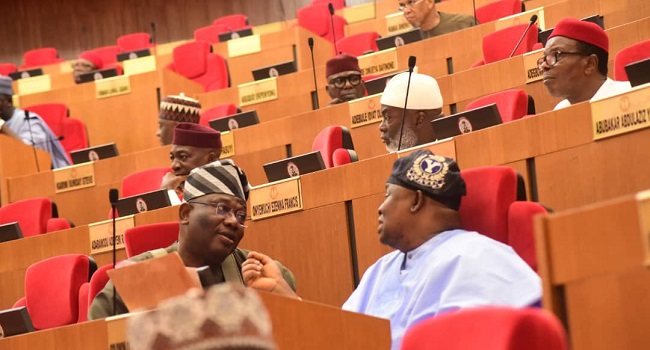
The Senate has stepped down consideration of the Chartered Institute of Training and Development of Nigeria (Establishment) Bill, 2026, following heated debates over its relevance and potential duplication of existing institutions.
The proposed legislation, which seeks to create a professional body for certified trainers and development practitioners in Nigeria, was met with resistance from several lawmakers who questioned its necessity and clarity.
Leading the opposition, Senator Abdul Ningi argued that the Senate should not automatically approve bills simply because they originate from the House of Representatives.
“We can’t be emotional because it’s coming from a sister chamber and pass it. The bill doesn’t have the required merit to go through,” he said.
Other senators expressed concern that the proposed institute could overlap with the mandates of existing training and management development bodies already operating in the country.
Senator Opeyemi Bamidele suggested that a sub-committee be constituted to review the bill’s compliance with Senate rules before any further legislative action is taken.
Senate President Godswill Akpabio also supported calls for closer scrutiny, warning against rushing legislation without proper assessment.
“Not everything that comes from the House must be passed. This bill is amorphous and can make us look somehow before the executive, who will ultimately assent to it,” he said.
Deputy Senate President Barau Jibrin echoed similar concerns, describing the objectives of the bill as unclear and recommending that it be stepped down for further clarification.
“What we can do is to stand down the bill because we need explanation. If you look at what this bill seeks to do, a Chartered Institute of Training and Development, it is quite vague,” he said.
However, Senate Minority Leader Abba Moro defended the proposal, insisting that its provisions were clear and required no ambiguity.
Following the debate, Senate President Akpabio announced the formation of a sub-committee chaired by Senator Abdul Ningi to review bills transmitted from the House of Representatives more closely before consideration by the Senate.
The development reflects ongoing tensions within the legislature over bill duplication, regulatory overlap, and the efficiency of Nigeria’s expanding institutional framework.
Lawmakers say the review process is intended to ensure that future legislation aligns with existing laws and avoids unnecessary proliferation of government bodies.