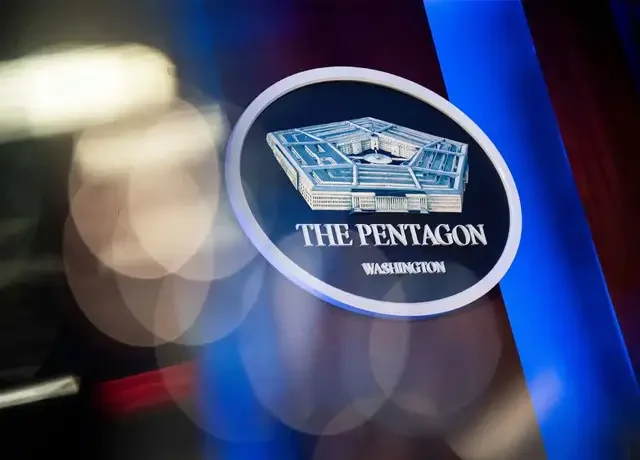
The United States’ ongoing war in Iran has cost approximately $25 billion so far, according to a senior Pentagon official, marking the first official estimate of the financial burden of the conflict.
The disclosure was made by Jules Hurst, acting comptroller at the United States Department of Defense, during testimony before the House Armed Services Committee. He said most of the expenditure has gone toward munitions, though he did not provide a detailed breakdown of the costs or include potential expenses for rebuilding damaged infrastructure in the Middle East.
The estimate, roughly equivalent to the entire annual budget of NASA, has raised questions among lawmakers about transparency and the true long-term financial impact of the conflict. Democratic lawmakers, including Rep. Adam Smith, criticised the Pentagon for delays in providing clear figures.
The $25 billion figure also appears inconsistent with earlier assessments. A previous source indicated that the first six days of the war alone cost at least $11.3 billion, suggesting broader uncertainties in how the total is calculated.
US Defence Secretary Pete Hegseth defended the military campaign, arguing that the spending was justified by the strategic objective of preventing Iran from acquiring a nuclear weapon.
“What would you pay to ensure Iran does not get a nuclear bomb?” he told lawmakers, while dismissing criticism from Democrats as “feckless” and “defeatist.”
The conflict, which began on February 28, has involved sustained US military operations and the deployment of tens of thousands of additional troops across the region. The Pentagon has also maintained a significant naval presence, including three aircraft carriers in Middle Eastern waters.
Since the start of hostilities, 13 US service members have been killed and hundreds more injured, according to official figures. A fragile ceasefire is currently in place, though tensions remain high.
The war has also had broader economic consequences. Disruptions to oil and natural gas shipments have contributed to rising fuel and agricultural costs in the United States, including higher prices for gasoline and fertilisers.
Data from the American Automobile Association shows US gasoline prices recently reached their highest level in nearly four years, intensifying inflation concerns ahead of upcoming elections.
Political analysts say the conflict is becoming a key issue in the lead-up to the midterms, with Democrats seeking to tie the war to cost-of-living pressures. Public opinion appears to be shifting, with only 34% of Americans currently approving of the conflict, according to a Reuters/Ipsos poll.
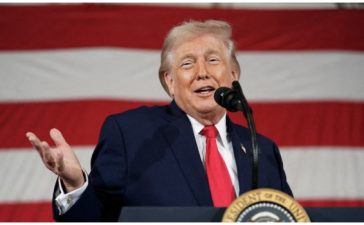
The war has also placed pressure on President Donald Trump, whose approval ratings have declined amid growing economic concerns and rising domestic opposition to the military campaign.
With six months until the midterm elections, the financial and political implications of the war are expected to remain a central issue in Washington, particularly as inflation continues to influence voter sentiment.