The World Health Organization (WHO) has raised alarm over the growing number of attacks on healthcare facilities, medical workers and patients in conflict-affected areas around the world.
According to WHO data released in August, more than 900 attacks on healthcare were recorded between January and August 2026. The attacks have resulted in at least 900 deaths and more than 1,400 injuries, meaning healthcare has been targeted more than four times every day on average.
The attacks have been reported across 29 countries and territories, with some of the highest numbers recorded in Ukraine, Lebanon and the occupied Palestinian territory. Other countries affected include Iran, Sudan, Myanmar, Syria, Nigeria and the Democratic Republic of Congo.
Healthcare workers increasingly at risk
The WHO said the violence takes different forms. Healthcare workers and patients have been affected by bombardments, attacks on medical facilities, destruction of health infrastructure, as well as the detention and abduction of medical personnel.
At least 94 healthcare workers have been detained during 2026, according to the WHO figures reported by Reuters.
The organisation stressed that healthcare facilities and workers are protected under international humanitarian law. Hospitals and medical personnel are expected to remain safe places where people can receive treatment, even during armed conflicts.
However, the increasing number of attacks is making it more difficult for health workers to provide essential services to people who need them.
Gaza among the hardest-hit areas
The situation in Gaza remains particularly serious. According to WHO data, all hospitals in Gaza have sustained damage, while only around half were still partially functioning at the time of the report.
Damage to hospitals can have consequences far beyond the immediate casualties from an attack. When a hospital stops functioning, patients may be unable to receive emergency surgery, maternity care, treatment for chronic illnesses and other essential services.
The destruction of healthcare infrastructure can also make it harder to respond to outbreaks of infectious diseases and other public-health emergencies.
Sudan also faces major healthcare disruption
Sudan is another major concern. The WHO reported that about 37% of health facilities in Sudan were out of service in 2026.
The conflict has placed enormous pressure on the country’s already strained healthcare system. Attacks and insecurity can prevent doctors, nurses and other health workers from reaching hospitals, while damaged facilities may lack electricity, medicines, equipment and other essential supplies.
Impact on disease control
The consequences of attacks on healthcare can extend beyond the immediate conflict zones.
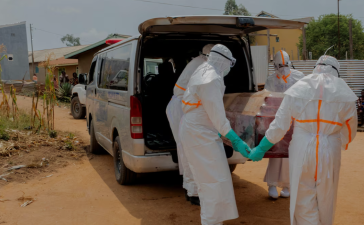
For example, the WHO has warned that violence against medical facilities can disrupt disease surveillance, vaccination programmes and emergency responses. In the Democratic Republic of Congo, attacks and insecurity have complicated efforts to respond to the Ebola outbreak and maintain effective disease surveillance.
This means that attacks on healthcare can potentially affect entire communities by allowing diseases to spread more easily when medical services and public-health systems are disrupted.
Nigeria among affected countries
Nigeria is also listed among the countries where attacks on healthcare have been recorded. This highlights the wider security challenges facing healthcare workers and facilities in conflict-affected parts of the country.
For patients, attacks on healthcare can mean longer journeys to find functioning hospitals, delays in treatment and reduced access to essential medical services.
WHO calls for greater protection
The WHO has called for stronger protection of healthcare workers, facilities, patients and medical transport during conflicts.
The organisation has also highlighted the need for accountability. Since the WHO began systematically documenting attacks on healthcare in 2018, it has recorded more than 10,400 incidents globally.
The continuing attacks demonstrate that protecting hospitals and medical workers remains a major international health and humanitarian challenge.
As conflicts continue in several parts of the world, health officials say protecting healthcare must remain a priority. Hospitals should be places where people can seek help and safety—not targets during war.