The United States and Iran exchanged fresh military strikes over the weekend, intensifying tensions in the Gulf region as efforts to secure a lasting peace agreement showed little sign of progress.
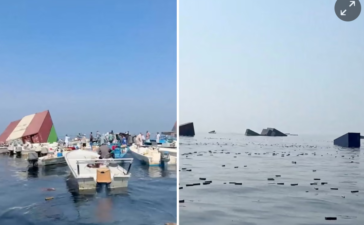
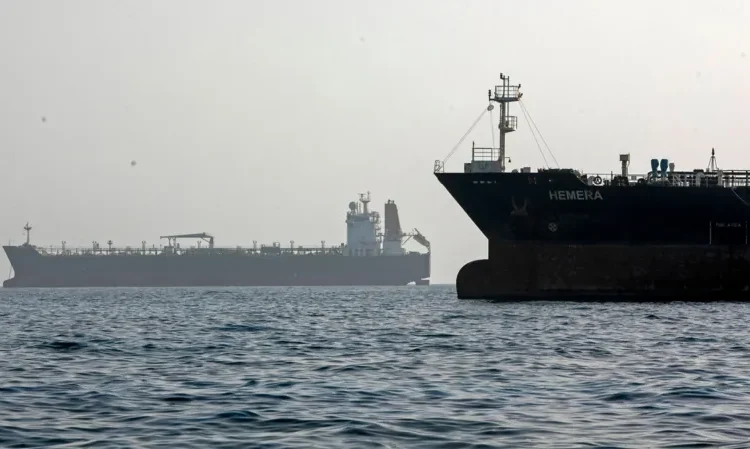
The latest confrontation occurred near the strategically important Strait of Hormuz, a vital global shipping route through which a significant share of the world’s oil and liquefied natural gas exports pass.
The United States Central Command (CENTCOM) said it carried out what it described as self-defence strikes against Iranian military facilities in southern Iran.
According to CENTCOM, the operation targeted radar installations and drone command-and-control sites in Goruk and on Qeshm Island.
The US military said the strikes were conducted in response to what it described as aggressive Iranian actions, including the reported downing of a US MQ-1 drone operating over international waters.
In a statement posted on social media platform X, CENTCOM said American fighter aircraft struck Iranian air defence systems, a ground control station, and two drones that were considered a threat to vessels navigating regional waters.
The US military added that no American personnel were injured during the operation.
In response, Iran’s Islamic Revolutionary Guard Corps (IRGC) announced that it had launched retaliatory strikes against an air base allegedly used by US forces.
Although Iranian authorities did not initially disclose the location of the facility, the IRGC later stated that the target was linked to operations conducted against Iranian communications infrastructure on Sirri Island in the Gulf.
Iranian military officials warned that any further attacks by the United States would trigger a significantly stronger response.
The IRGC stated that its reaction would be “completely different” if what it described as US aggression continued.
Regional tensions were further highlighted by reports from Kuwait, where military authorities said air defence systems were actively intercepting hostile missiles and drones.
Kuwaiti officials did not specify the origin of the threats or the precise locations of the interceptions.
The latest exchange follows a period of fragile calm after a ceasefire took effect on April 8. Despite the ceasefire arrangement, both sides have continued to accuse each other of violating understandings aimed at reducing tensions in the region.
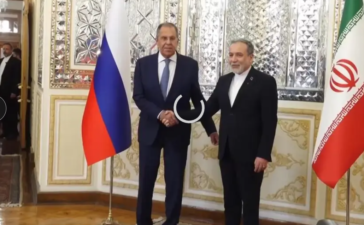
Meanwhile, diplomatic efforts to secure a broader peace agreement remain uncertain.
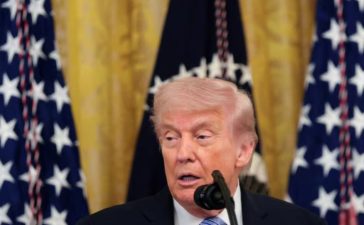
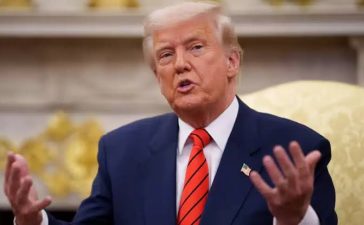
Earlier reports from US media indicated that President Donald Trump had requested changes to the latest draft proposal intended to pave the way for a permanent settlement between Washington and Tehran.
However, Iranian officials dismissed speculation surrounding the proposed revisions, and no breakthrough has been announced.
According to reports, the latest version of the proposed agreement includes a 60-day cessation of hostilities, the reopening of the Strait of Hormuz to commercial shipping, and a framework for renewed negotiations over Iran’s nuclear programme.
The Strait of Hormuz remains one of the world’s most critical energy corridors, handling approximately one-fifth of global oil and liquefied natural gas shipments.
Any disruption to traffic through the waterway has significant implications for global energy markets, often contributing to higher fuel prices and increased economic uncertainty.
Analysts continue to monitor developments closely, warning that prolonged instability in the Gulf could affect international trade, energy security, and broader geopolitical relations.
Despite ongoing diplomatic contacts, the latest military exchanges underscore the fragile nature of the current situation and the challenges facing efforts to achieve a lasting agreement between the United States and Iran.