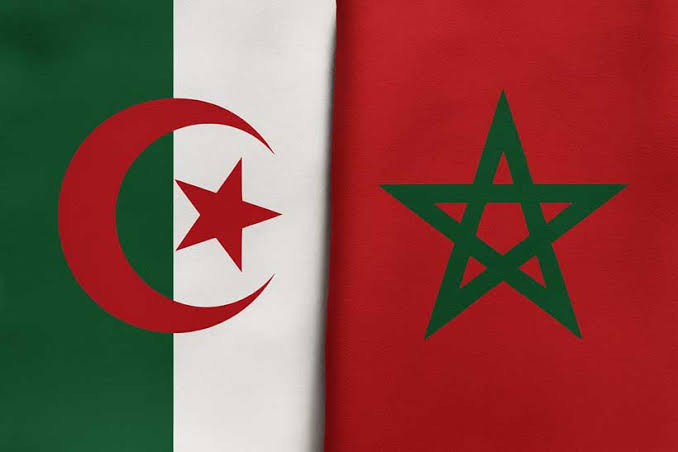
Spain’s renewed engagement with Algeria has brought fresh attention to the longstanding rivalry between Algeria and Morocco, a dispute that continues to shape political and strategic relations across North Africa.
At the center of the rivalry is the decades-old dispute over Western Sahara, which dates back to Spain’s withdrawal from the territory in 1975. Morocco claims sovereignty over Western Sahara, while Algeria supports the Polisario Front and its demand for Sahrawi self-determination.
The disagreement has developed into a broader contest for regional influence, with both Algeria and Morocco seeking to strengthen their positions with major international partners, including Israel and the European Union.
Migration, security and energy have become important areas of competition as the two North African powers seek to establish themselves as indispensable partners to Europe and other global actors.
Spain’s renewed engagement with Algeria is particularly significant because Madrid’s relations with both countries have been closely linked to its position on Western Sahara. Shifts in Spain’s diplomatic approach have the potential to affect the already delicate balance between Algiers and Rabat.
Despite the depth of the rivalry, experts say an open military confrontation remains unlikely. However, persistent mistrust, diplomatic tensions and growing military spending continue to reinforce the divide between the two countries.
The rivalry is also having wider economic consequences. The lack of trust between Algeria and Morocco has contributed to stalled regional cooperation and limited economic integration across the Maghreb, preventing the region from fully exploiting opportunities for trade, investment and shared development.
As Spain seeks to maintain strategic relationships with both sides, the longstanding Algeria-Morocco rivalry is likely to remain a major factor in North African diplomacy, particularly as competition over Western Sahara, energy supplies, migration and regional influence continues.