The Federal Government has begun training more than 60 veterinarians as part of efforts to eradicate Peste des Petits Ruminants (PPR), a highly contagious viral disease affecting sheep and goats, from Nigeria by 2030.
The training is part of a broader strategy by the Federal Ministry of Livestock Development to strengthen disease surveillance, improve animal health and protect the livelihoods of livestock farmers across the country.
The programme was announced during a pre-field training workshop for PPR sero-surveillance and transboundary animal disease monitoring held in Akwanga, Nasarawa State.
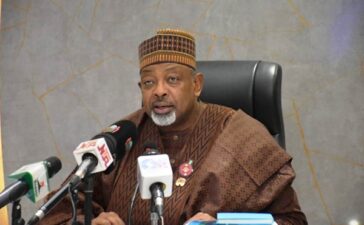
Nigeria’s Chief Veterinary Officer, Dr Samuel Anzaku, said the government is committed to eliminating the disease because of its serious effect on livestock production, farmers’ incomes and national food security.
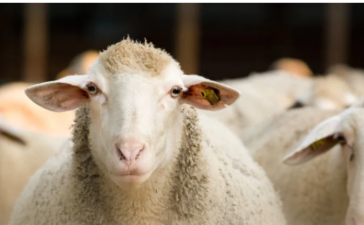
PPR, sometimes called sheep and goat plague, is a severe viral disease that affects small ruminants, particularly sheep and goats. The disease can spread rapidly and cause major losses for farmers.
For many rural families in Nigeria, sheep and goats are important sources of income and food. Farmers sell the animals to pay school fees, meet household needs and support their businesses.
When disease outbreaks kill large numbers of animals, the consequences can therefore be devastating.
The Federal Government believes that improving the skills of veterinarians will make it easier to identify outbreaks early and prevent diseases from spreading across communities and state borders.
The training is expected to focus on disease surveillance and monitoring. Veterinarians will be better equipped to collect samples, identify possible outbreaks and provide information that can help authorities understand how diseases are spreading.
This information is important because early detection can help prevent a small outbreak from becoming a major national problem.
The government is also paying attention to other transboundary animal diseases. These are diseases that can spread across borders and affect livestock populations in different countries.
Such diseases can create serious economic problems by reducing livestock production and affecting trade.
Nigeria’s livestock sector plays an important role in the country’s agricultural economy. Millions of Nigerians depend directly or indirectly on animal farming, processing, transportation and the sale of livestock products.
Protecting animals from disease is therefore not only a health issue. It is also connected to food production, employment and economic development.
The 2030 target is in line with wider international efforts to eliminate PPR globally.
Veterinary experts believe that stronger surveillance, vaccination programmes and cooperation between farmers and government agencies will be important if Nigeria is to successfully achieve the goal.
The government is expected to continue working with veterinary professionals, livestock farmers and development partners to improve animal health services across the country.
For farmers, the success of the programme could mean fewer livestock losses and improved income.
For consumers, healthier livestock could contribute to a more stable supply of meat and other animal products.
The training of the 60 veterinarians is therefore being seen as an important step towards protecting Nigeria’s livestock industry.
However, experts say training alone will not be enough. Continued funding, access to veterinary services, farmer education and strong disease-monitoring systems will also be necessary.
As Nigeria works towards 2030, the government’s ability to detect and control livestock diseases early could play a major role in protecting farmers and strengthening the country’s agricultural sector.